
- +923107774151
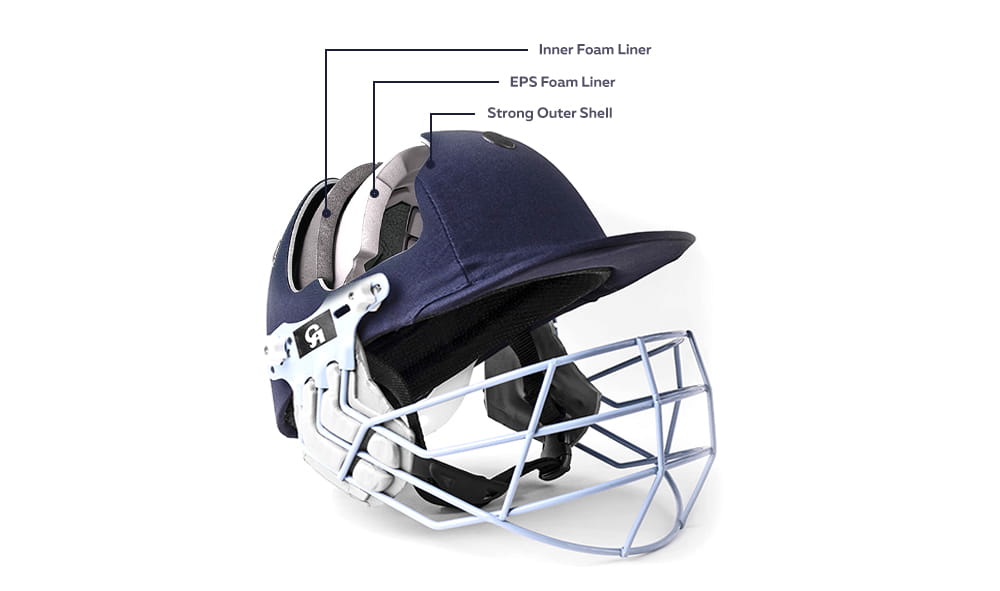
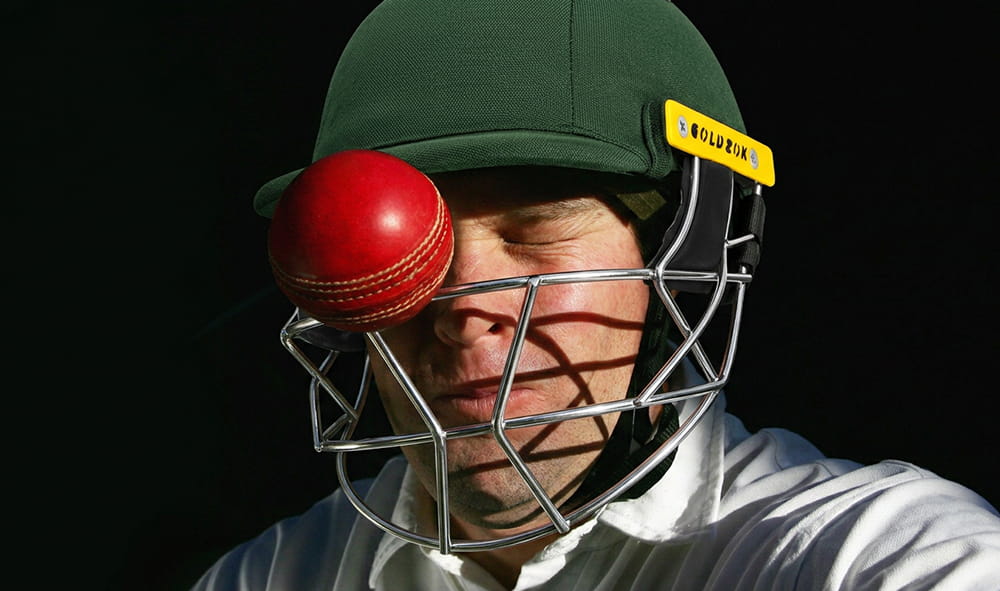
A cricket ball can leave a bowler's hand at over 140 km/h. At that speed, a batter has less than half a second to react. That is not enough time for reflexes alone — it is why the helmet on your head, and specifically the guard in front of your face, matters more than almost any other piece of kit you own.
Face and head injuries in cricket are not rare accidents that happen to "other people." They happen to international players too. The tragic death of Phillip Hughes in 2014, struck below the helmet's guard, changed how the entire sport thinks about head protection. It pushed manufacturers, safety bodies, and cricket boards to rebuild helmet standards from the ground up. If you are choosing a helmet today, you are buying into decades of hard-earned safety research — but only if you know what to look for.
This guide breaks down what "advanced face guard technology" actually means, how to judge a helmet beyond marketing claims, and which features are worth paying for.
Most buyers focus on the outer shell — how thick it looks, how solid it feels when you tap it. But data from real match injuries tells a different story. The majority of serious cricket head injuries happen through gaps: between the peak and the grille, around the jaw, or at the base of the skull where the helmet ends and the neck begins.
This is why the face guard (also called the grille or faceguard) is a separate, heavily tested component, not just a decorative cage. A good guard has to do three things at once:
Marketing terms like "advanced," "pro-grade," or "military-tested" mean very little on their own. The one label that carries real weight is compliance with British Standard BS 7928:2013, which the International Cricket Council (ICC) has formally adopted as the required standard for any helmet worn in international cricket. Any player who chooses to wear a helmet in international cricket must use one certified to this British Standard.
In 2019, the standard was strengthened with an amendment specifically because of neck and lower-face injuries. This 2019 update added a facial contact projectile test, which checks both whether the ball can penetrate the faceguard and whether the faceguard itself makes hard contact with the face on impact, tested under realistic ball speeds. It also added a separate test for neck protectors, evaluating how well they reduce the risk of injury at the base of the skull. Helmets are tested against both a men's ball (5½ ounces) and a junior ball (4¾ ounces), and a compliant helmet must carry a label showing exactly which ball sizes it has been certified against.
Practical takeaway: when you're comparing helmets, look for the label — not the sales page. A genuine BS 7928:2013 (or the newer +A1:2019) certification sticker inside the helmet is worth more than any adjective in the product description.
Once a helmet clears the safety baseline, the real differences between a decent helmet and a genuinely good one come down to engineering choices. Here's what to compare.
Steel grilles are the traditional choice — strong, affordable, and widely used. Titanium grilles cost more but offer a better strength-to-weight ratio, meaning the guard can be just as strong while sitting lighter on your face. Over a long innings, that weight difference reduces neck fatigue, which matters for concentration in the closing overs of a chase.
This is the detail most players never check but should. Standard testing accounts for balls approaching from typical bowling angles — but the guard's bar spacing and the angle of the bars themselves determine how well it performs against short-pitched deliveries or balls that skid unpredictably off the seam. Tighter, well-angled bars close visibility gaps without blocking your sightline of the ball.
Faces come in different shapes, and a guard that sits even a few millimetres too far from the face increases the risk of it flexing inward on impact. Helmets with micro-adjustable guard clips let you set the distance precisely, rather than relying on a one-size-fit that assumes an average face shape.
Following the post-2019 standard update, more helmets now build neck guards directly into the shell design rather than selling them as an awkward add-on. An integrated system sits more securely and doesn't shift during play the way a bolt-on neck guard can.
ABS and fibreglass shells remain common because they combine impact resistance with manageable weight. The best modern designs pair this with strategically placed vents — enough airflow to keep you cool through a long spell in the sun, without cutting into the structural zones that absorb impact.
Not every player needs the same helmet, and buying based on price alone (high or low) is a mistake in either direction.
Even the best-engineered helmet fails at its job if it doesn't fit correctly. A properly fitted helmet sits snugly on the head without pressure points, with the peak angled to protect the forehead while keeping your full view of the bowler. The guard should sit close enough to the face that it cannot be pushed back by a direct hit, but not so close that it presses uncomfortably against the nose or chin.
Before buying, check the helmet on your head with the strap fastened as you would during a match — not just resting on top. If it shifts when you move your head side to side, it's not the right size, no matter how advanced its features are on paper.
No helmet, however advanced, can guarantee complete protection. The level of protection depends on the specific circumstances of any given impact, and a helmet, faceguard, or neck protector cannot always prevent serious injury or death. What good engineering does is meaningfully reduce the force that reaches your head, face, and neck, and reduce the chances of the worst outcomes. Treat helmet technology as risk reduction, not a guarantee — and pair it with sound batting technique and situational awareness at the crease.
At CA International, we've been manufacturing cricket equipment since 1958, which means our approach to protective gear isn't built around trends — it's built around what actually holds up across formats, conditions, and playing levels, from club cricket to the international stage. Our helmets are engineered around the same principles covered in this guide: certified face guard performance, precise fit adjustability, and materials chosen for real match conditions rather than showroom appeal.
Discover the best cricket helmets with advanced face guard technology. Learn what makes a helmet safe, BS 7928-compliant, and right for your game.
Why Cricket Bat Balance Can Matter More Than Bat Weight
Why Tape Ball Cricket Is So Popular in Pakistan
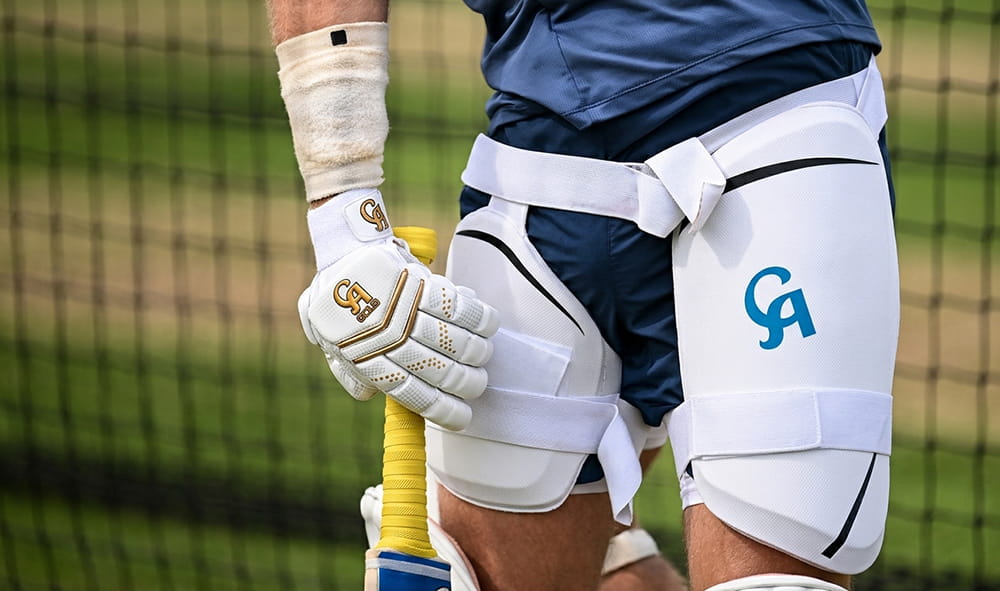
Best Thigh Guards for Cricketers in 2026 – Complete Buyer's Guide
The Best Cricket Helmets with Advanced Face Guard Technology
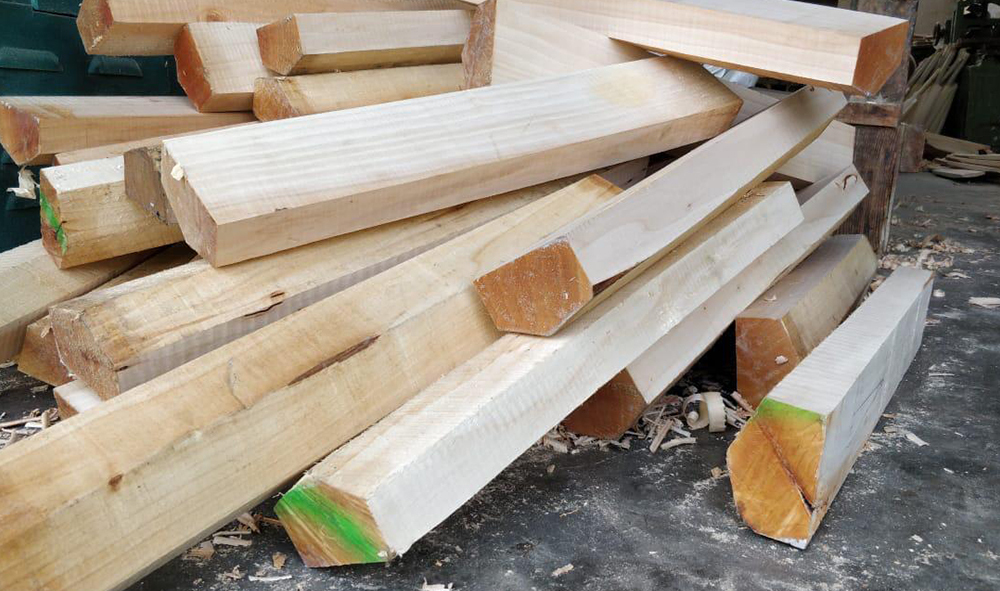
The Story Behind English Willow From Forest to Cricket Pitch
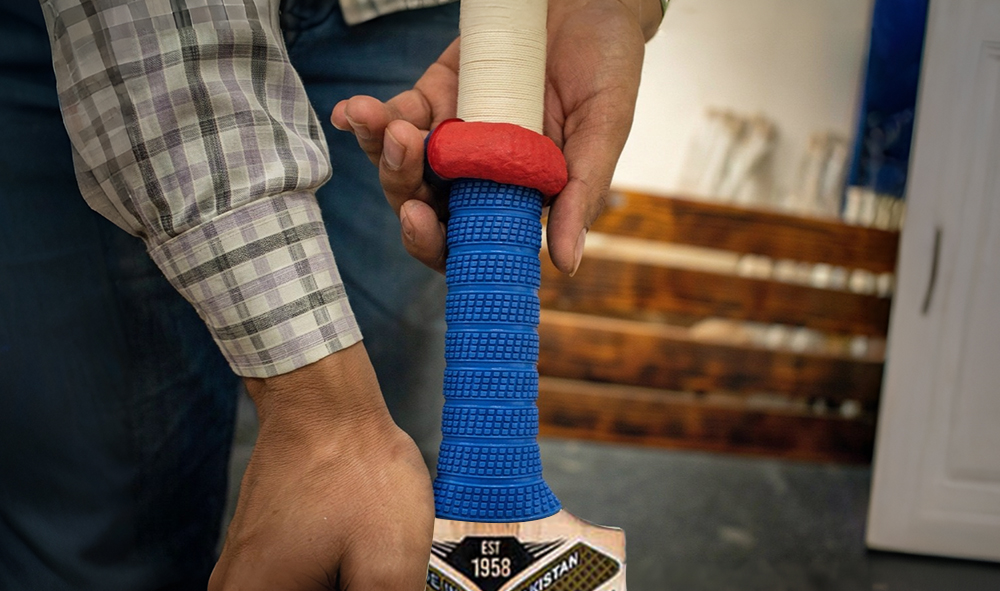
How to Replace a Cricket Bat Grip Like a Professional
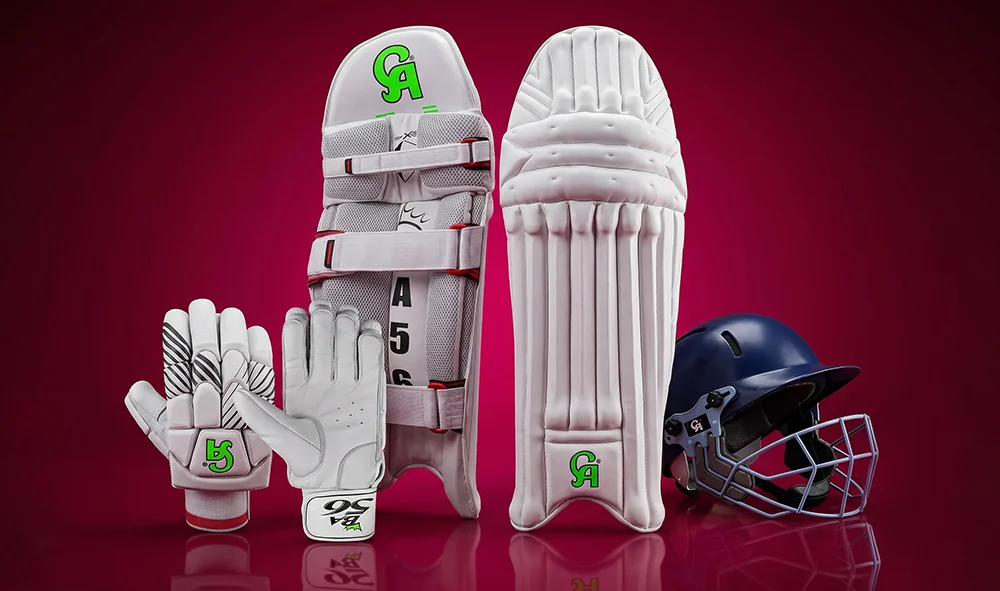
Why Quality Cricket Gear Matters in Competitive Matches
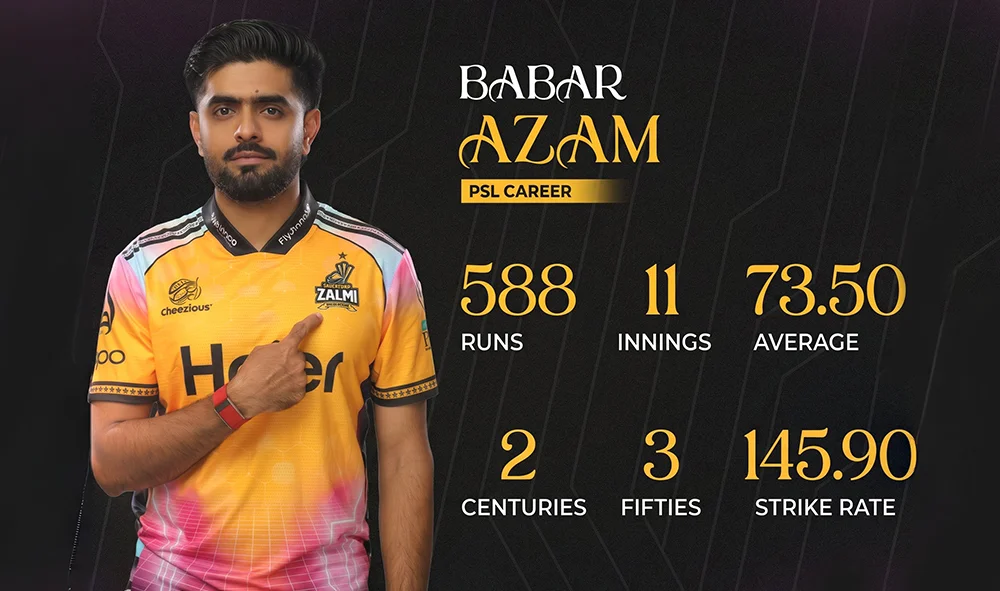
PSL 2026 Highest Run Scorer: Babar Azam Dominates with 588 Runs
 Multikart Angular
 Multikart React
 Multikart Shopify