
- +923107774151
A great cricket shot does not begin when the ball leaves the bowler’s hand. It starts years earlier, with a willow tree growing in the right soil, in the right climate, with the right care. If you have ever wondered why an English willow cricket bat feels lighter, responds better, and costs more than many other bats, the answer is hidden in that journey. English willow is not just wood. It is the foundation of timing, balance, power, and confidence at the crease.
English willow has earned its reputation because it gives players a rare mix of light pickup, strong rebound, shock absorption, and clean ball response.
A batter facing a hard leather ball needs a bat that can absorb impact without feeling dead in the hands. The blade must be strong enough to handle repeated contact, yet light enough for fast backlift, late cuts, drives, pulls, and quick reactions. This is why serious players often prefer English willow bats for match cricket.
English willow comes from a specific type of willow tree used for cricket bat making.
The wood is known for being light, fibrous, and responsive. These qualities allow bat makers to shape blades that can generate excellent rebound while still offering control.
They come from the tree, the grain, the moisture, the pressing, the shaping, and the skill of the bat maker.
The journey of an English willow cricket bat is slow, careful, and highly skilled.
A finished bat may look simple from the outside, but every stage affects how it performs on the pitch.
Not every willow tree can become a cricket bat. Bat makers need willow with the right structure, straight growth, and suitable density. The tree must produce wood that is light enough for pickup but strong enough to handle impact from a cricket ball.
The goal is not just to cut wood. The goal is to find a cleft that can become a balanced, powerful, and reliable cricket bat.
English willow takes years to mature. During that time, the tree develops the fibre structure that later affects bat performance. Good willow needs time, space, water, and suitable growing conditions.
This is one reason premium English willow bats can be expensive. The material is limited, and the process cannot be rushed. You cannot grow elite bat willow overnight.
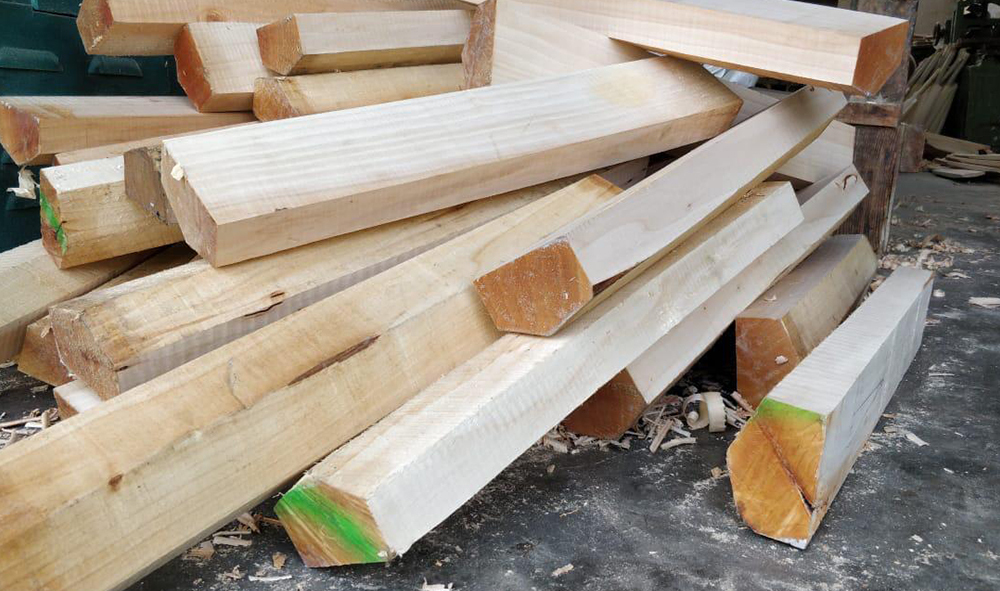
Once the willow is ready, it is cut into sections called clefts. A cleft is the raw block of willow that will later become a cricket bat blade. At this stage, the bat maker starts seeing the character of the wood.
They look at:
This is where grading begins. A clean, straight-grained cleft is usually more valuable because it can produce a more premium-looking and higher-performing bat.
Fresh willow contains moisture. If it is shaped too soon, the bat may feel heavy, weak, or unstable. Seasoning helps reduce moisture and prepare the wood for pressing and shaping.
This stage is important because moisture balance affects performance. Too much moisture can make the bat feel soft and heavy. Too little can make it brittle. A well-seasoned cleft gives the bat maker a better base for creating a strong, responsive blade.
After seasoning, the cleft is graded. Grading is based on appearance and quality indicators such as grains, blemishes, colour, and overall cleft condition. A higher-grade cleft usually has cleaner grains and a more premium face.
A bat with clean grains may look premium, but the right balance and feel are what matter most once you walk out to bat.
Grains are the vertical lines you see on the face of a cricket bat. Many players use grain count as a quick sign of quality, but it should not be the only factor. Straight grains often suggest a clean cleft, while wider or fewer grains can still perform well if the willow is properly prepared.
A professional player does not choose a bat by grain count alone. They pick it up, feel the balance, test the rebound, check the handle, and judge whether it matches their game.
Once the cleft is ready, the real craftsmanship begins. This is where natural willow becomes a match-ready cricket bat.
Pressing is one of the most important stages. The face of the bat is compressed to make the willow stronger and more suitable for impact. If the bat is pressed too softly, it may feel good early but wear quickly. If it is pressed too hard, it may lose response.
After pressing, the bat is shaped. This includes the edges, spine, shoulders, toe, and sweet spot. The profile controls how the bat feels and performs.
For example:
A cricket bat handle is not just a stick attached to the blade. It affects control, shock absorption, and feel. Many quality bats use cane handles because cane helps reduce vibration and gives a more comfortable response in the hands.
The final stages include sanding, polishing, stickers, grip fitting, toe protection, and quality checks. Some bats also include protective technology to help improve durability. This is especially useful near the toe area, where bats often suffer damage from yorkers, wet pitches, and repeated impact.
A good English willow cricket bat is not just about the number of grains. Look at the full bat.
Pickup means how light or balanced the bat feels when you lift it. A bat can have a high actual weight but still feel light because of good weight distribution. Always judge the bat in your stance, not just on the scale.
The sweet spot should match your game. If you play on bouncier pitches, a mid or higher sweet spot may feel better. If you play on slower, lower pitches, a lower sweet spot may help.
The handle should feel comfortable in your gloves. If it feels too thin, you may need an extra grip. If it feels too thick, your wrists may feel restricted.
Tap an old cricket ball gently on the face. A responsive bat gives a clean, lively feel. A dull bat may need more preparation, or it may not suit your preference.
Toe protection, face protection, and proper knocking-in can extend bat life. Even premium English willow needs care.
English willow is strong, but it is still a natural material. A new bat needs knocking-in to compress the fibres and prepare the face for match impact. This process helps reduce the risk of cracks, seam marks, and early damage. Knocking-in does not make a poor bat elite. It helps a good bat perform safely and consistently.
Before using a new English willow bat in a match, players should usually:
A bat that is prepared properly often lasts longer and feels better.
English willow is used because it is light, responsive, and shock-resistant. It helps the bat absorb impact while still giving strong rebound, which makes it ideal for leather-ball cricket.
English willow is usually better for serious match performance because it offers lighter pickup and better ping. Kashmir willow is often more affordable and can be a good option for beginners or practice.
It depends on use, preparation, storage, and maintenance. A well-prepared English willow bat can last a long time, but heavy net use, wet conditions, and poor knocking-in can reduce its life quickly.
Check the pickup, sweet spot, grain quality, handle comfort, pressing, and response. A good bat should feel balanced in your stance and give a clean rebound when the ball meets the middle.
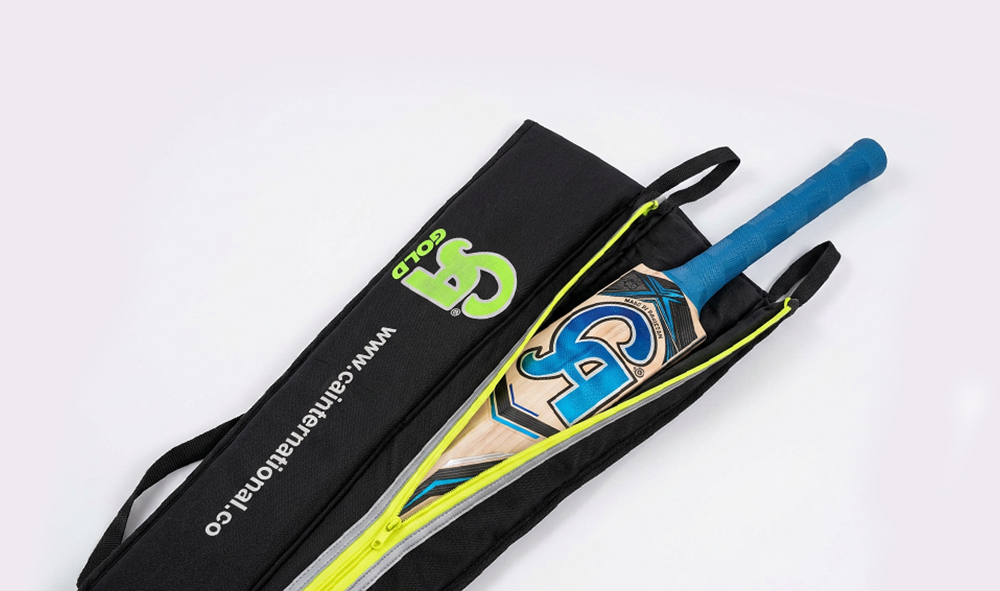
The story of English willow is the story of patience, nature, and craftsmanship. Before a cricket bat reaches the pitch, it begins as a carefully grown tree. It is selected, seasoned, graded, pressed, shaped, handled, finished, and tested. Every stage affects how the bat feels when you take guard.
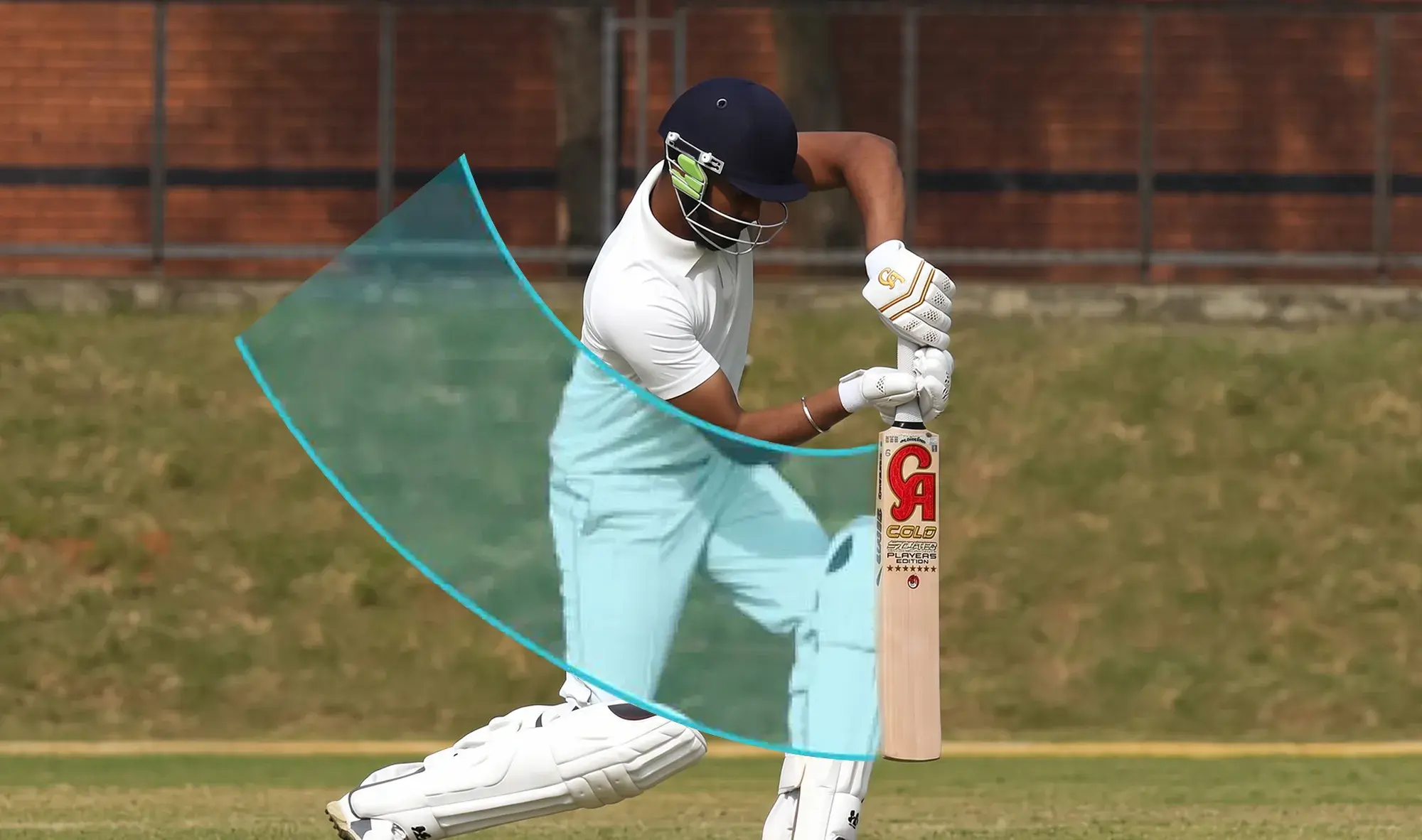
Why Cricket Bat Balance Can Matter More Than Bat Weight
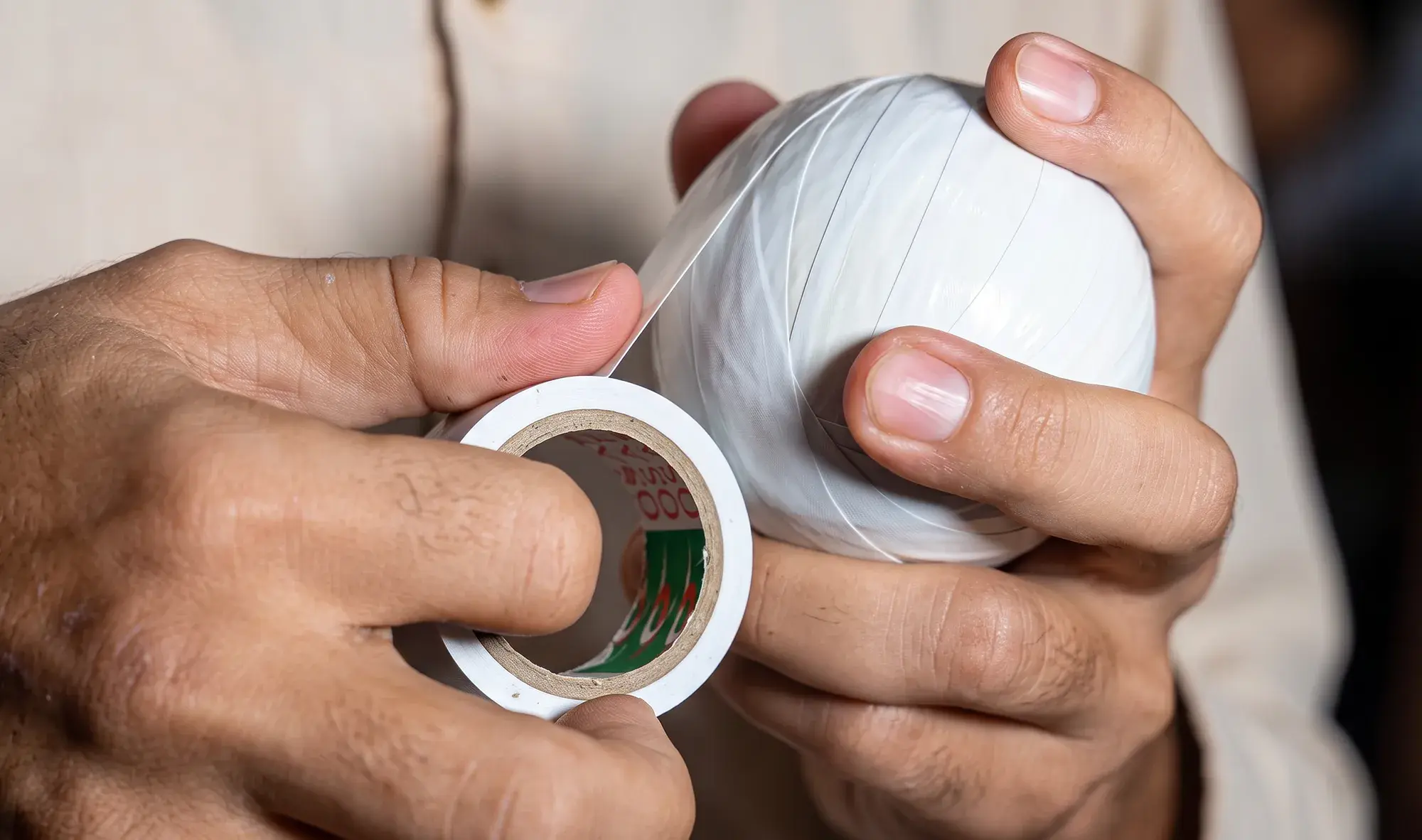
Why Tape Ball Cricket Is So Popular in Pakistan
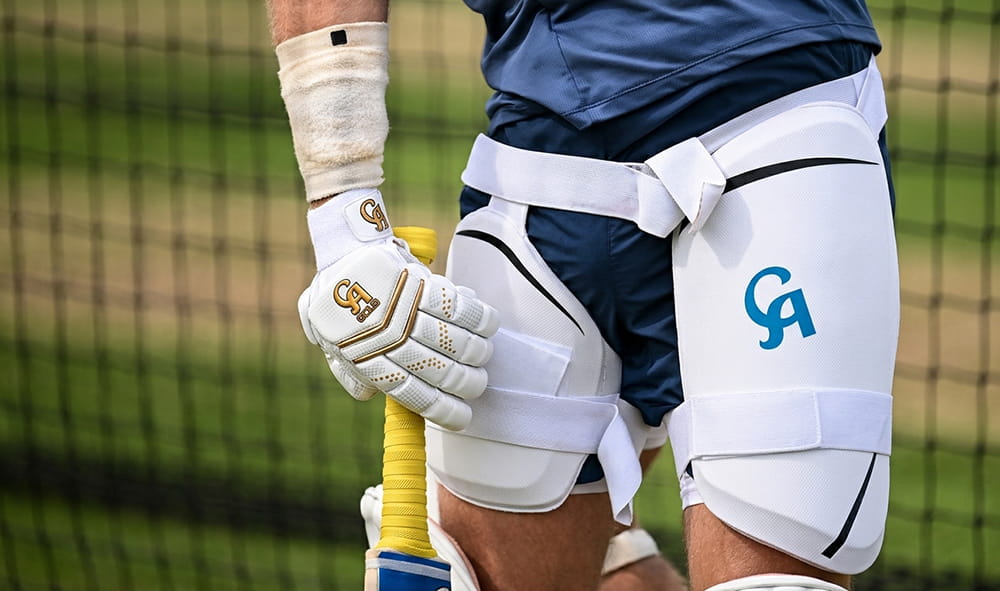
Best Thigh Guards for Cricketers in 2026
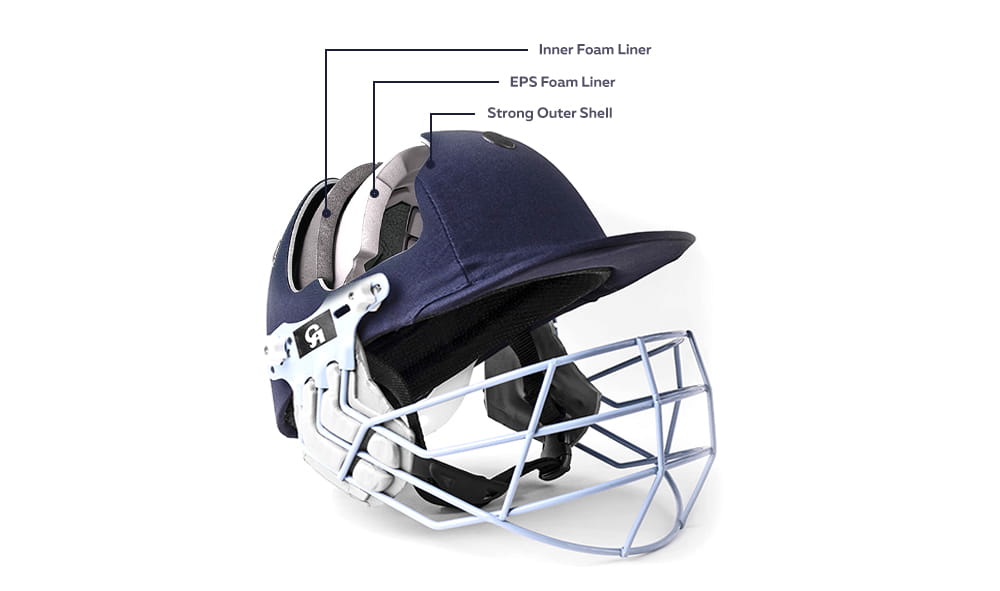
The Best Cricket Helmets with Advanced Face Guard Technology
The Story Behind English Willow From Forest to Cricket Pitch
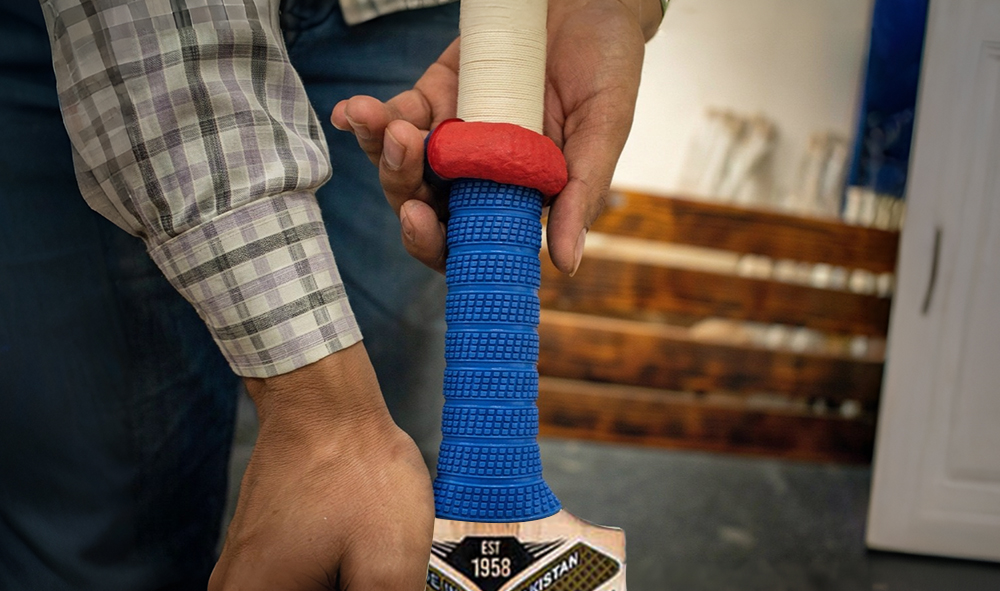
How to Replace a Cricket Bat Grip Like a Professional
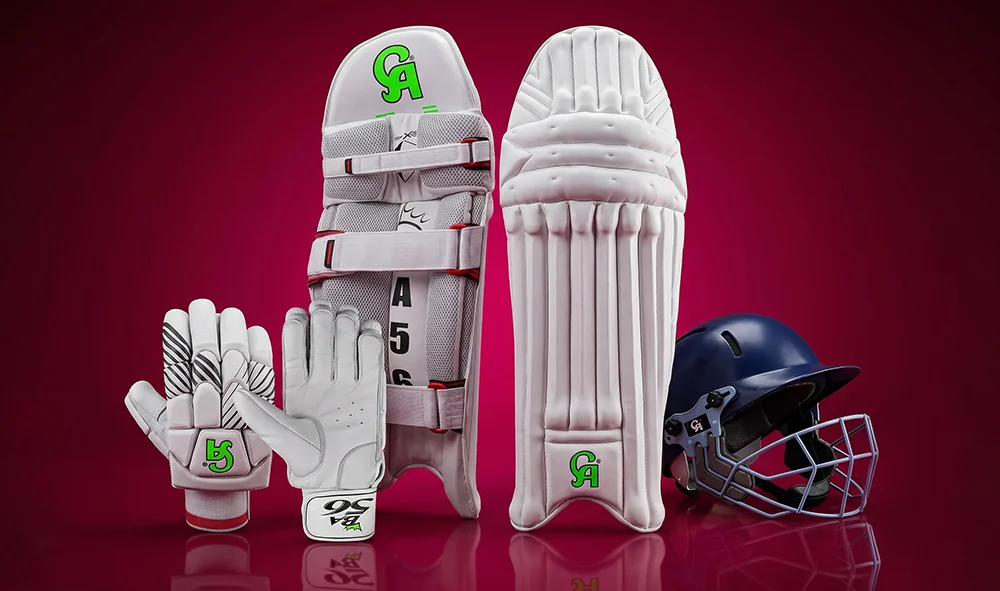
Why Quality Cricket Gear Matters in Competitive Matches

PSL 2026 Highest Run Scorer: Babar Azam Dominates with 588 Runs
 Multikart Angular
 Multikart React
 Multikart Shopify