
- +923107774151
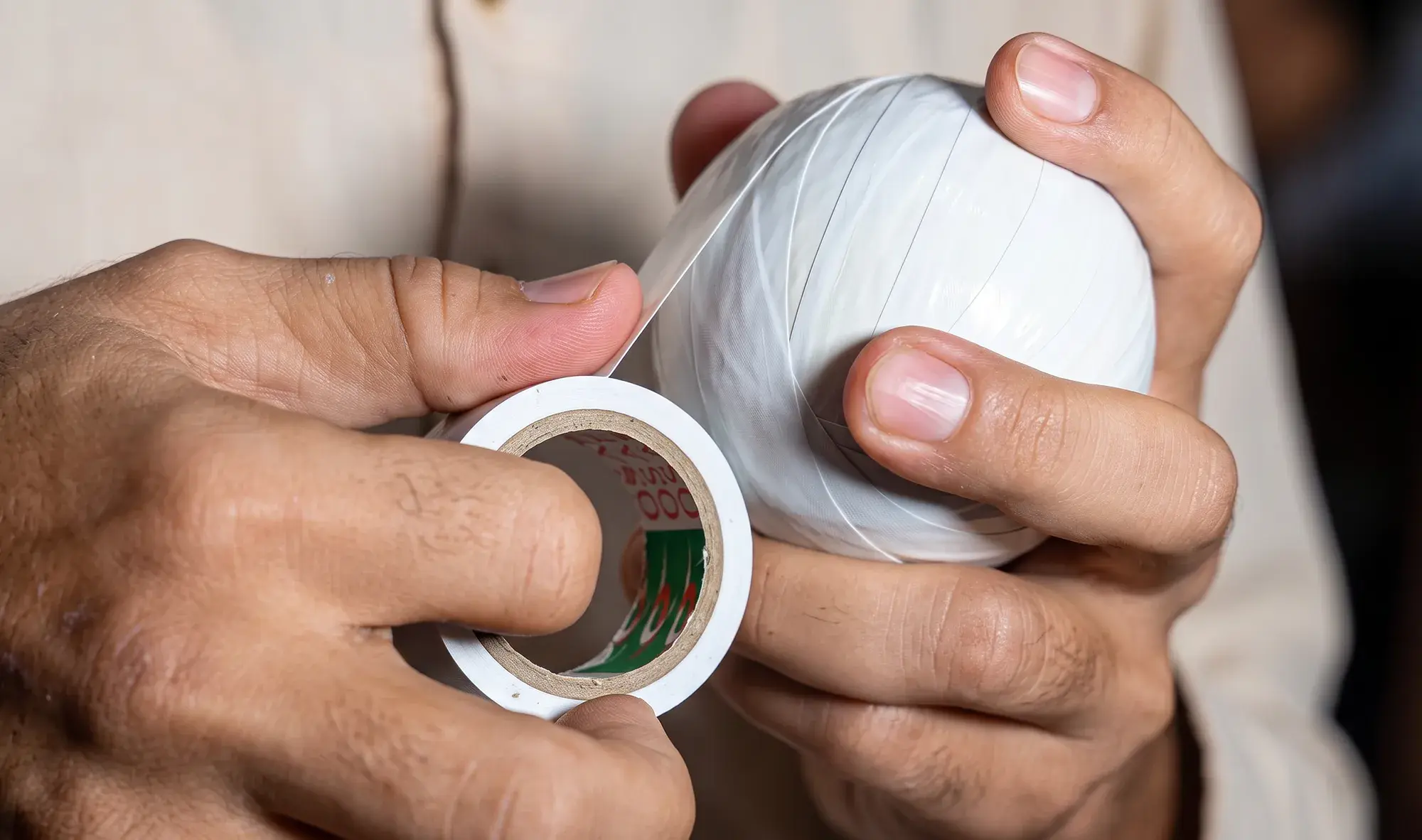
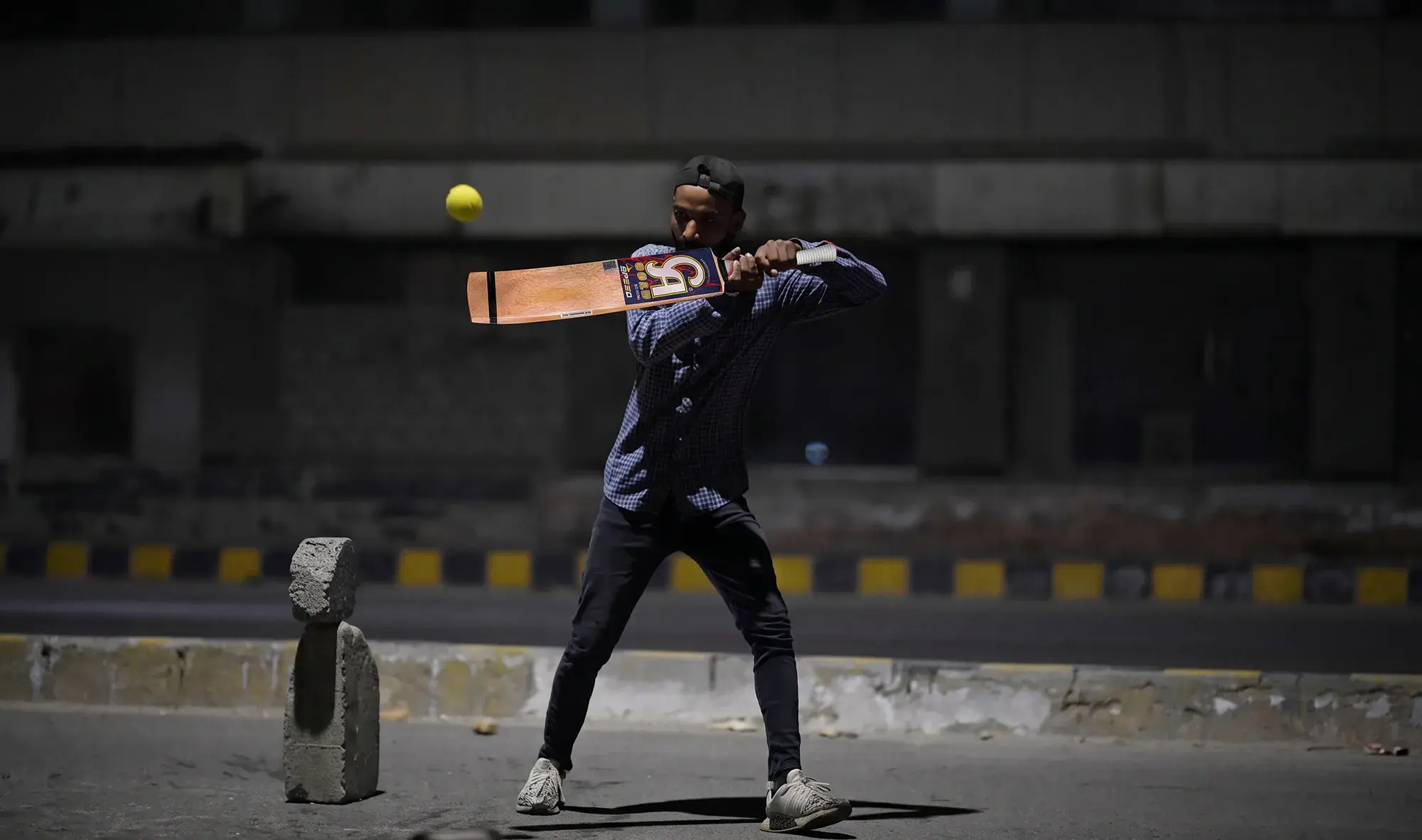
If you've ever walked through any neighborhood in Pakistan — from Karachi's narrow lanes to Lahore's open parks — you've seen it. A taped tennis ball sailing through the air, a lightweight bat cracking it over rooftops, and a group of players locked in fierce competition under flickering streetlights.
Tape ball cricket isn't just a game in Pakistan. It's a cultural institution.
This post breaks down exactly why tape ball cricket dominates the sporting landscape in Pakistan, how it shaped the country's cricketing DNA, and what gear you need to play it right. Whether you're a street cricket veteran or just discovering this format, you'll walk away understanding why over 200 million Pakistanis grew up swinging a tapeball bat before they ever touched a leather ball.
Tape ball cricket is a street-style version of cricket played with a tennis ball wrapped in electrical tape. The tape adds weight, creates aerodynamic properties, and lets bowlers generate serious swing and pace — all without needing expensive leather balls or protective gear.
Here's what makes it different from traditional cricket:
| Feature | Tape Ball Cricket | Traditional Cricket |
|---|---|---|
| Ball | Tennis ball wrapped in electrical tape | Leather cricket ball |
| Equipment Needed | Bat + taped ball + any flat surface | Full kit: pads, gloves, helmet, stumps |
| Match Length | 6–8 overs per side | 20–50 overs or 5-day Tests |
| Players Per Side | 6–8 (flexible) | 11 |
| Cost to Play | Under PKR 500 | PKR 10,000+ for basic gear |
| Playing Surface | Streets, parking lots, parks, rooftops | Prepared pitches on proper grounds |
The format thrives on simplicity. A bat, a ball, and a strip of concrete — that's all you need.
Most cricket historians trace tape ball cricket back to Karachi's Nazimabad neighborhood in the 1970s. Pakistan was already cricket-obsessed, but access to proper equipment and grounds was limited for the majority of the population.
The problem was straightforward: leather cricket balls were expensive, dangerous in tight spaces, and easily lost. Kids experimented with rubber balls, plain tennis balls, and even shaved tennis balls before someone had the breakthrough idea of wrapping a tennis ball in black electrical tape.
That single innovation changed everything.
The tape made the ball heavier, harder, and — crucially — capable of swinging through the air like a leather ball. Bowlers could generate reverse swing, seam movement, and genuine pace. Batters had to develop quick reflexes and aggressive shot-making to survive.
By the late 1970s, tape ball cricket had spread across Karachi. Night tournaments began popping up — organized under makeshift floodlights — drawing crowds that rivaled first-class matches. The format quickly moved beyond Karachi to Lahore, Islamabad, Peshawar, and every city and village in between.
This is the biggest driver. In a country where a significant portion of the population lives on modest incomes, tape ball cricket removes every financial barrier to playing organized sport.
A roll of electrical tape costs PKR 50–100. A tennis ball runs PKR 100–200. A quality tapeball cricket bat is the only real investment — and even that is a fraction of the cost of full cricket equipment.
No pads. No helmets. No gloves. No expensive ground fees. Just show up and play.
Pakistan's urban areas are densely packed. Proper cricket grounds are scarce and often reserved for club or school teams. Tape ball cricket doesn't need a manicured pitch or a regulation-size field.
Common tape ball cricket venues include:
The game adapts to whatever space is available. Boundaries are negotiated, rules are adjusted, and matches happen regardless of conditions.
Tape ball cricket is a power-hitting spectacle. With shorter innings (typically 6–8 overs), every ball matters. Batters go after bowlers from ball one, clearing boundaries with audacious strokes.
The format rewards aggression. Pakistan's legendary tape ball star Shabaz Kalia routinely scores 20 runs per over in professional tape ball tournaments. He and his brother once shared a partnership of 222 runs in a single 8-over innings. That kind of entertainment keeps spectators coming back.
Here's a fact that surprises many international cricket fans: Pakistan's greatest fast bowlers learned their craft playing tape ball cricket.
The taped tennis ball swings late and aggressively when bowled at pace. Young bowlers in street cricket tournaments develop the ability to bowl fast, swinging yorkers — the most lethal delivery in limited-overs cricket — before they ever pick up a leather ball.
Pakistani legends who started in tape ball cricket:
This isn't coincidence. The physics of a taped ball reward fast, wristy bowling — and Pakistan's production line of express pace bowlers is a direct result.
Tape ball cricket pioneered night cricket in Pakistan — years before floodlit professional matches became the norm. In 1979, Pakistan Television broadcast highlights of World Series Cricket, and Karachi's streets erupted with night tournaments played under tube lights and makeshift floodlights.
Night cricket tournaments became social events. Entire neighborhoods would gather to watch, cheer, and bet on local teams. The atmosphere at a high-stakes tape ball night match often exceeds what you'd find at a domestic first-class game.
This culture still thrives today. Night tournaments run year-round, with teams competing for cash prizes that can reach into the hundreds of thousands of rupees.
Tape ball cricket has evolved far beyond casual street games. It now operates as a structured, commercially viable sporting industry in Pakistan.
The Jazz Tape Ball Premier League, launched in Karachi, features 10 teams from across Pakistan playing 6-over matches with professional organization and corporate sponsorship. Top players like Taimoor Mirza, Khuram Chakwal, and Zaheer Kalia sign high-value league contracts. Some earn more than domestic leather-ball cricketers.
The International Tape Ball Cricket Federation (ITBCF) now governs the sport internationally, and tournaments have spread to the UAE, Australia, the UK (particularly Yorkshire), and anywhere with a Pakistani diaspora community.
Professional tape ball player Asad Warriach has stated that the sport attracts up to 100,000 spectators in Pakistan, with some players being paid more than their leather-ball counterparts.
Tape ball cricket has exploded on YouTube, TikTok, and Instagram. Highlight reels of massive sixes, lethal yorkers, and dramatic last-over finishes routinely go viral. Channels dedicated to tape ball cricket tournaments pull millions of views.
This digital exposure has done two things: it's attracted sponsors to the sport, and it's introduced tape ball cricket to audiences outside South Asia — fueling its growth in Australia, North America, and Europe.
The bat is the single most important piece of equipment in tape ball cricket. Unlike leather-ball cricket bats made from willow, tapeball bats are typically crafted from lighter, more flexible woods designed for power hitting against a softer ball.
What to look for in a quality tapeball bat:
CA International has been manufacturing top-quality cricket equipment since 1958 and understands the unique demands of tape ball cricket. Our tapeball bats are engineered for the explosive hitting and fast-paced action the format demands.
While tape ball cricket is informal by nature, most organized tournaments follow a standard set of rules:
The beauty of tape ball cricket is its flexibility. Rules adapt to the space, the number of players, and the stakes of the match.
Tape ball cricket is no longer a Pakistan-only phenomenon. The sport is gaining formal recognition and organized leagues worldwide:
This global expansion is creating demand for purpose-built tapeball equipment — and brands like CA International are leading the way with bats designed specifically for the format's aggressive, power-driven style.
A tape ball is a standard tennis ball completely wrapped in electrical insulation tape. The tape adds weight, reduces bounce, and creates a smooth surface that generates swing through the air. Some players tape only one side to produce reverse swing, while others add a strip of tape down the center to mimic a leather ball's seam.
Tape ball cricket is a major factor. The taped ball rewards pace and swing bowling, and millions of Pakistani youngsters develop these skills playing street cricket before entering formal coaching. Legends like Wasim Akram, Waqar Younis, and Shoaib Akhtar all started with tape ball, and the format continues to produce fast-bowling talent at every level.
Yes. Tape ball cricket now features organized leagues with corporate sponsorship, paid contracts, and televised coverage in Pakistan. The Jazz Tape Ball Premier League and numerous city-level tournaments offer significant prize money. The International Tape Ball Cricket Federation governs the sport globally, and professional tournaments run in the UAE, Australia, and the UK.
Use a bat specifically designed for tape ball cricket — not a standard willow cricket bat. Tapeball bats are lighter, have wider sweet spots, and are built to handle aggressive hitting against a softer ball. CA International's tapeball bats are purpose-engineered for the format, offering the perfect balance of power, control, and durability.
Tape ball cricket started as a street innovation born from necessity. It grew into a cultural movement that united neighborhoods, produced world-class fast bowlers, and gave millions of young Pakistanis a path into the sport they love.
Today, it's a professional, globally recognized format with its own stars, leagues, and fanbase. And it all starts with the right equipment.
Whether you're gearing up for a neighborhood tournament, joining an organized league, or simply reliving the thrill of street cricket — the right tapeball bat makes all the difference.
CA International has been making top-quality cricket equipment and sports apparel since 1958. From Test matches to T20s to tape ball tournaments, our gear helps players perform at every level of the game.
Why Cricket Bat Balance Can Matter More Than Bat Weight
Why Tape Ball Cricket Is So Popular in Pakistan
Best Thigh Guards for Cricketers in 2026
The Best Cricket Helmets with Advanced Face Guard Technology
The Story Behind English Willow From Forest to Cricket Pitch
How to Replace a Cricket Bat Grip Like a Professional
Why Quality Cricket Gear Matters in Competitive Matches
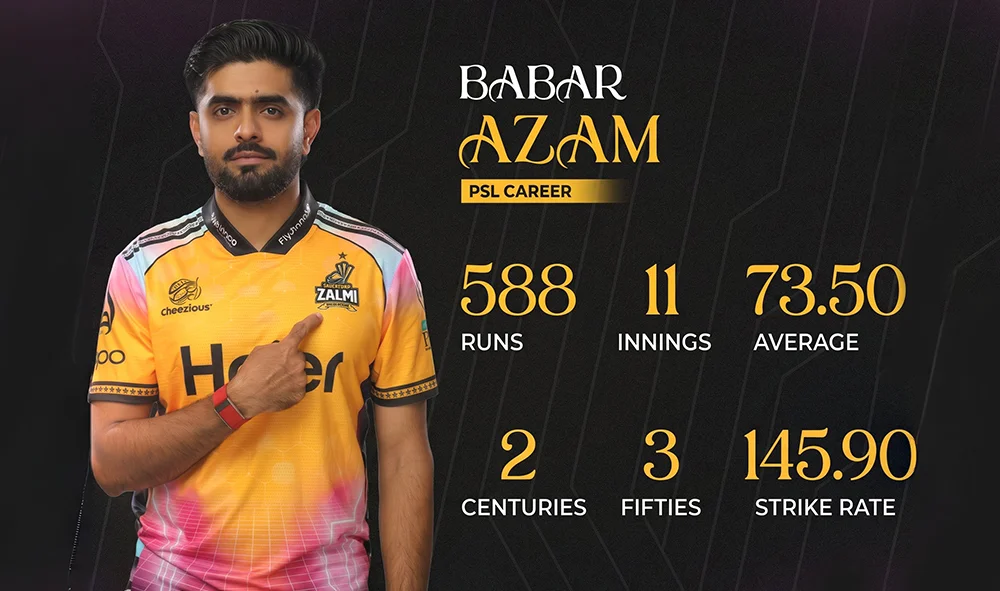
PSL 2026 Highest Run Scorer: Babar Azam Dominates with 588 Runs
 Multikart Angular
 Multikart React
 Multikart Shopify