
- +923107774151
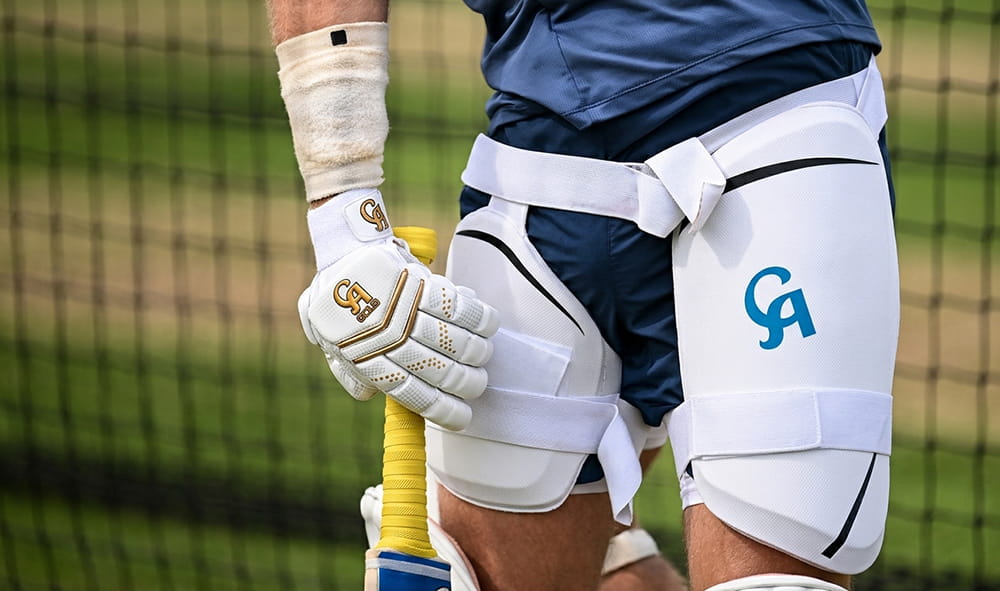
Ask any club cricketer about their worst on-field memory, and a surprising number will mention a ball that caught them on the front thigh — not the pads, not the gloves, but the exposed strip of leg just above the knee roll. It's one of the most commonly hit areas in batting, and one of the most under-protected, because thigh guards don't get the attention that helmets and pads do.
That's a mistake. The front thigh — the one facing the bowler — absorbs a huge share of mistimed pulls, inside edges, and short-pitched deliveries that get through your bat. A good thigh guard doesn't just prevent bruising; it changes how confidently you play the shot in the first place. This guide covers what actually matters when buying one in 2026, without the fluff.
A cricket ball weighs around 160 grams and, at pace-bowling speeds, delivers enough force to cause deep bruising or a hairline fracture on unprotected muscle. Unlike a blow to the pad or glove, a direct hit to the thigh has no bone plate or heavy padding layer built into your regular kit to absorb it — which is exactly why this piece of gear exists as a standalone item rather than being built into your trousers.
Beyond the physical injury risk, there's a performance cost to going without one. Batters who've taken a bad hit on an unprotected thigh often start flinching away from short deliveries or playing with visibly less commitment through the shot — a defensive habit that can take weeks to unlearn. Wearing a proper guard removes that hesitation before it starts.
These are the classic foam-padded shields held on with elastic straps. They're straightforward, affordable, and offer solid protection in a simple package. The trade-off is bulk — because the padding is dense and less contoured, stock guards can restrict natural movement slightly, particularly when running between wickets or pivoting into a shot. For beginners and juniors who prioritise straightforward safety over fine-tuned mobility, this style is a sensible starting point.
These use lighter, high-density foam shaped to follow the natural line of the thigh, sometimes combined with shock-absorbing gel inserts at the impact zone. The shell moulds closer to the body, which keeps the guard from shifting mid-innings and reduces the "bulky cricketer" feel that puts some players off wearing one at all. This is the style most serious club and academy players have moved toward, since it protects just as well while getting out of the way of your batting technique.
A thicker guard is not automatically a safer one. What matters is foam density — high-density EVA or PE foam absorbs and disperses impact energy far better than the same thickness of soft, low-density foam, which can compress on impact and transmit more force through to the leg. If a guard feels spongy and compresses easily when you press it with your thumb, it will compress the same way against a cricket ball.
Check where the guard's protection actually ends. Many budget guards cover only the direct front of the thigh, leaving the outer edge — a common impact point for balls angling in from a fuller length — unprotected. Combination guards that extend coverage to the inner thigh are worth the extra cost for players facing genuine pace, since inner-thigh impacts from inside edges are both painful and easy to underestimate.
Elastic straps are lighter but tend to loosen over a long innings, especially once you start sweating. Velcro or hybrid strap systems hold their tension better through a full session and are easier to readjust between overs without needing to remove the guard entirely. Test the strap by doing a few running steps and a forward-defensive lunge in the shop or at home — if it shifts noticeably, it will shift far more during an actual match.
A thigh guard that restricts your stride will change your batting before the ball is even bowled. Lightweight, contoured designs are worth prioritising over marginally thicker "maximum protection" models, because a guard that makes you hesitate mid-shot creates its own kind of risk. The goal is a guard you forget you're wearing by the third over.
Thigh guards are typically sized by age category (junior, youth, senior) and, within that, by thigh circumference or leg length. Measure around the widest part of your thigh and check it against the brand's size chart rather than assuming your usual clothing size — a guard that's too large will slide down during running, and one that's too small won't cover the full impact zone.
If you're batting regularly against genuine pace — club-level opening bats, academy players, or anyone facing a new-ball attack — a combination guard that pairs outer thigh protection with an inner thigh piece is the safer long-term investment. For lower-pace formats, junior cricket, or occasional batters, a well-fitted single front guard is usually sufficient and keeps the setup lighter and simpler to wear.
A thigh guard that's been neglected loses effectiveness well before it visibly falls apart. A few habits extend both its life and its protective quality:
With reasonable care, a quality thigh guard typically holds its protective performance for two to three full seasons of regular play.
A thigh guard is easy to treat as an afterthought — it's not as visible as a helmet, and it doesn't come up in conversation the way a new bat does. But for the number of deliveries that actually make contact with a batter's leg over a season, it's one of the highest-value pieces of protective gear you'll buy. Prioritise foam density and fit over price alone, and you'll rarely think about it again until it's done its job.
At CA International, we've been manufacturing cricket protective gear since 1958, and our thigh guards are built around the same principle that runs through this guide: real protection has to hold up match after match without slowing a batter down. Every guard is shaped for natural movement and made with high-density foam suited to the pace and format you actually play.
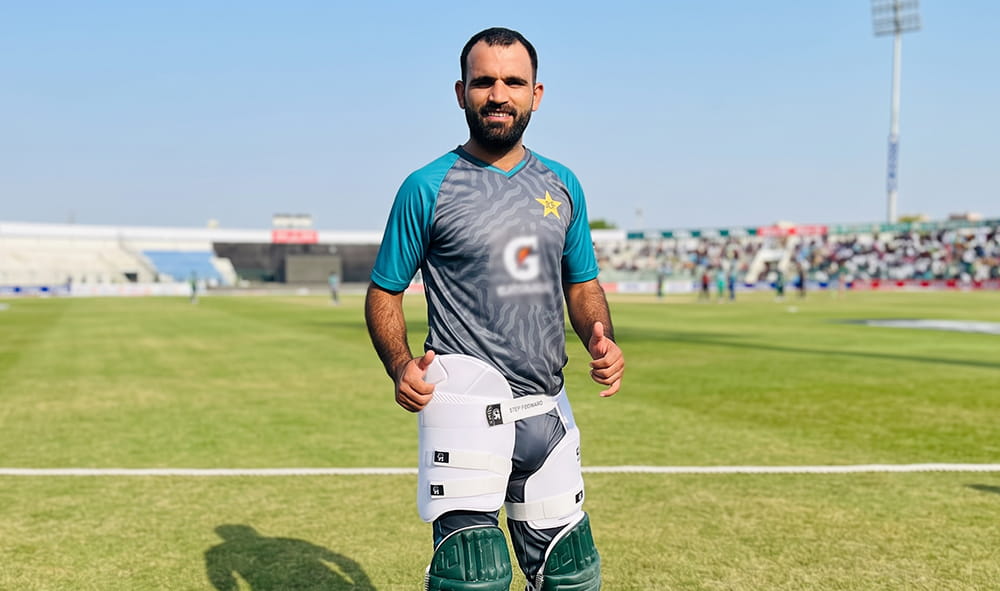
Find the best cricket thigh guards for 2026. Compare types, materials, and fit tips to choose protection that keeps you safe without slowing you down.
Best Thigh Guards for Cricketers in 2026 – Complete Buyer's Guide
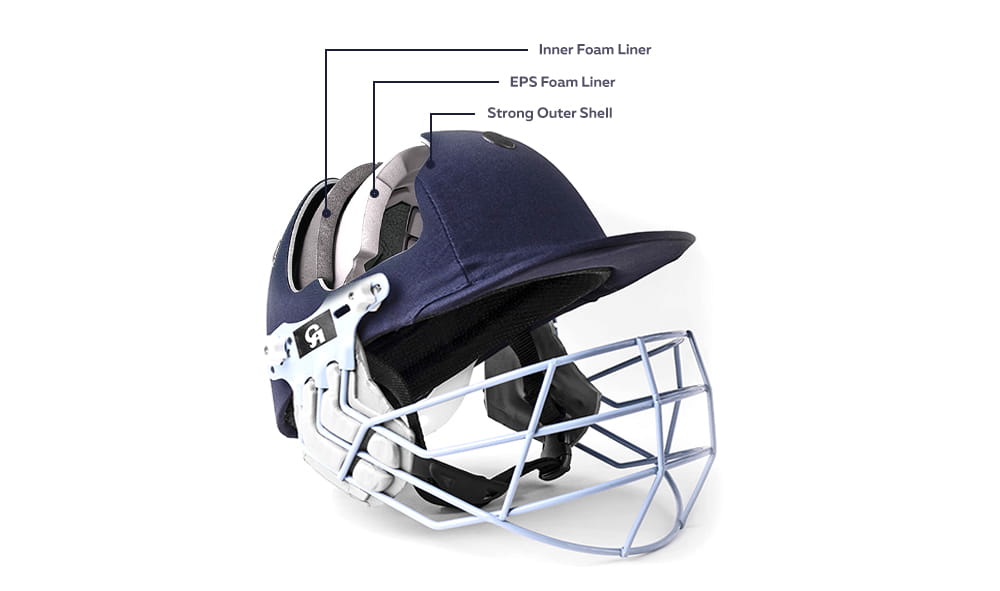
The Best Cricket Helmets with Advanced Face Guard Technology
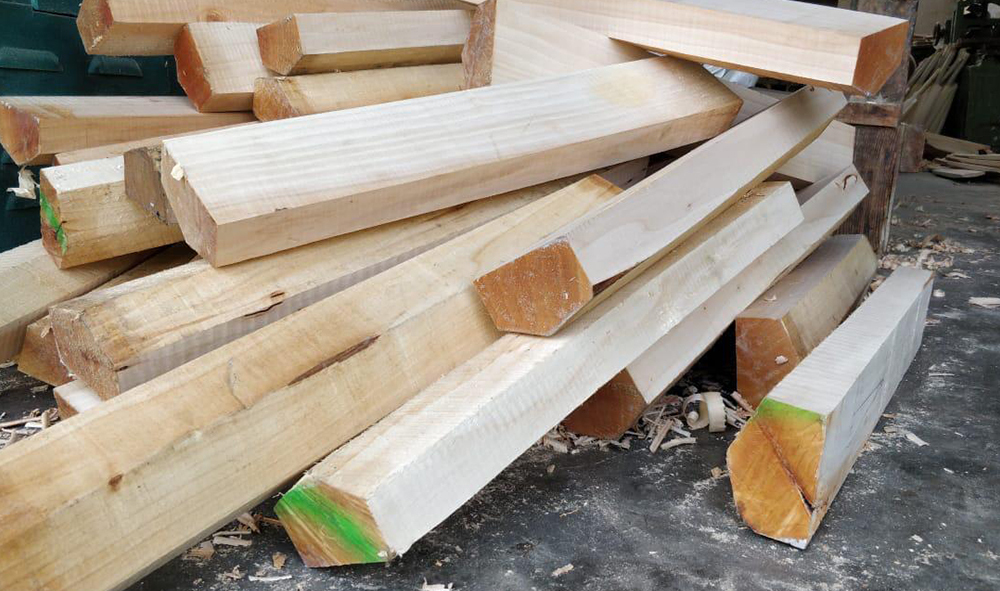
The Story Behind English Willow From Forest to Cricket Pitch
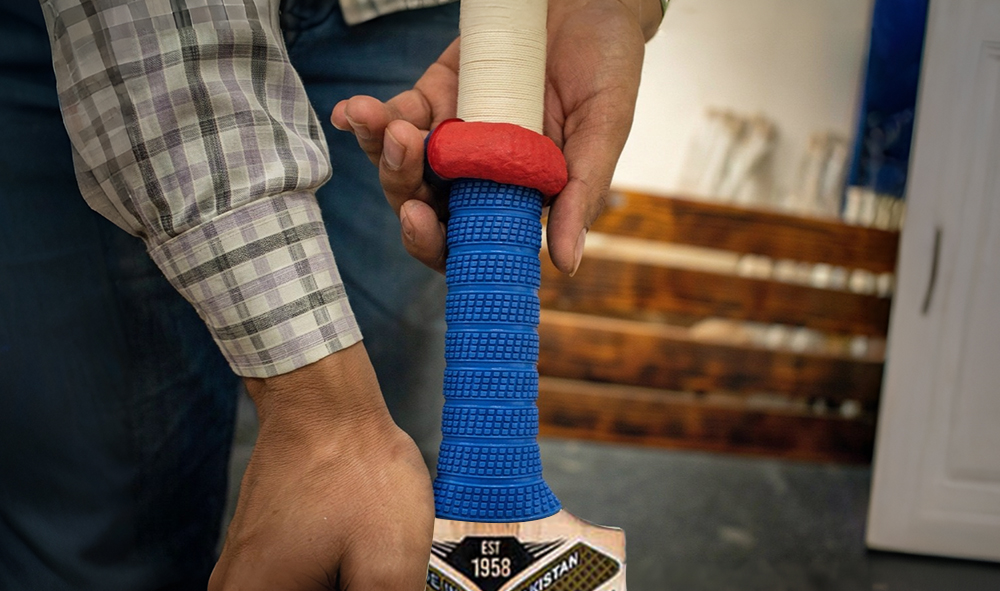
How to Replace a Cricket Bat Grip Like a Professional
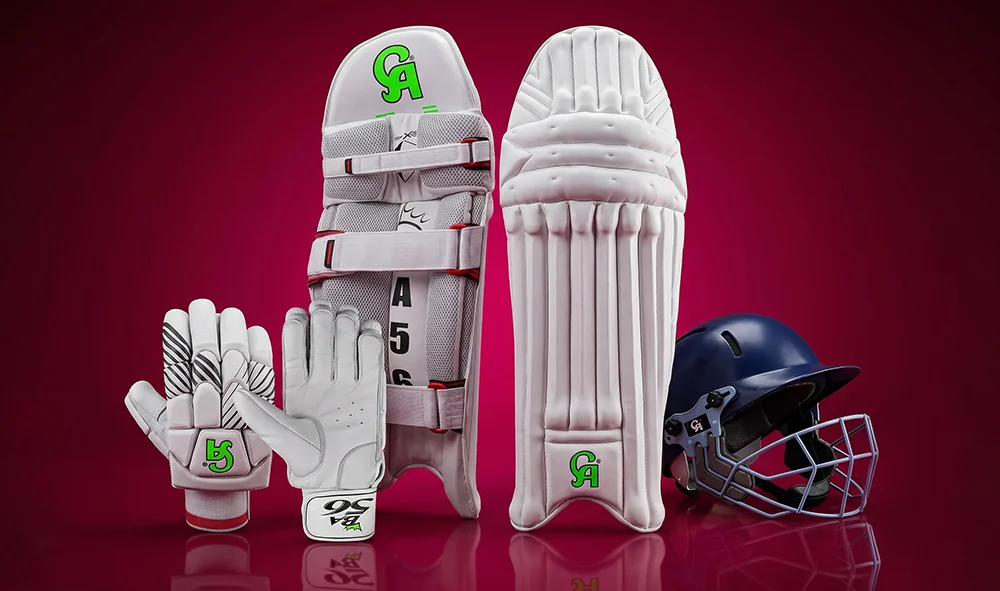
Why Quality Cricket Gear Matters in Competitive Matches
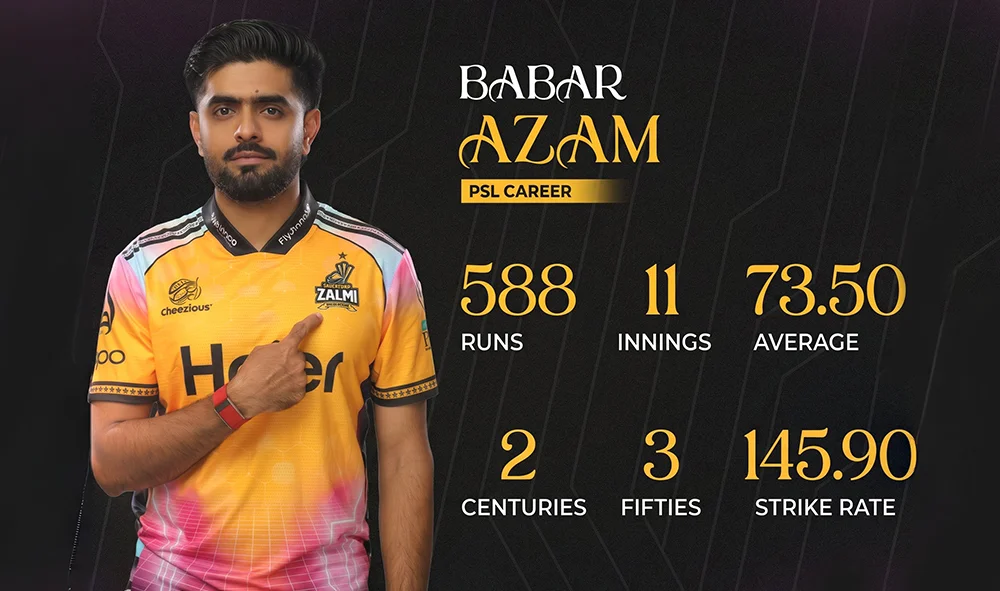
PSL 2026 Highest Run Scorer: Babar Azam Dominates with 588 Runs

Cricket Pads Price in Pakistan for Advanced Players – Complete Guide
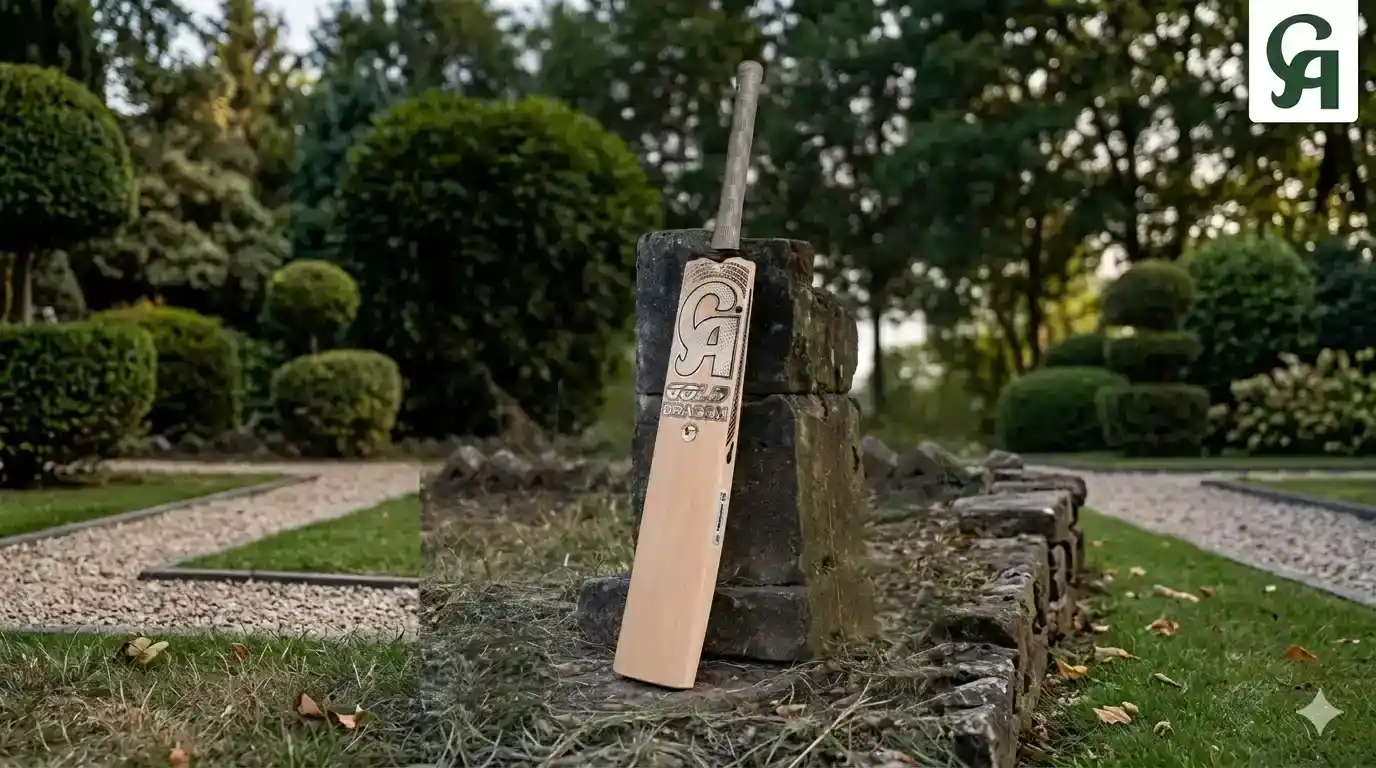
Is CA International Bat Good Against Spin? Light vs Heavy Explained
 Multikart Angular
 Multikart React
 Multikart Shopify