
- +923107774151
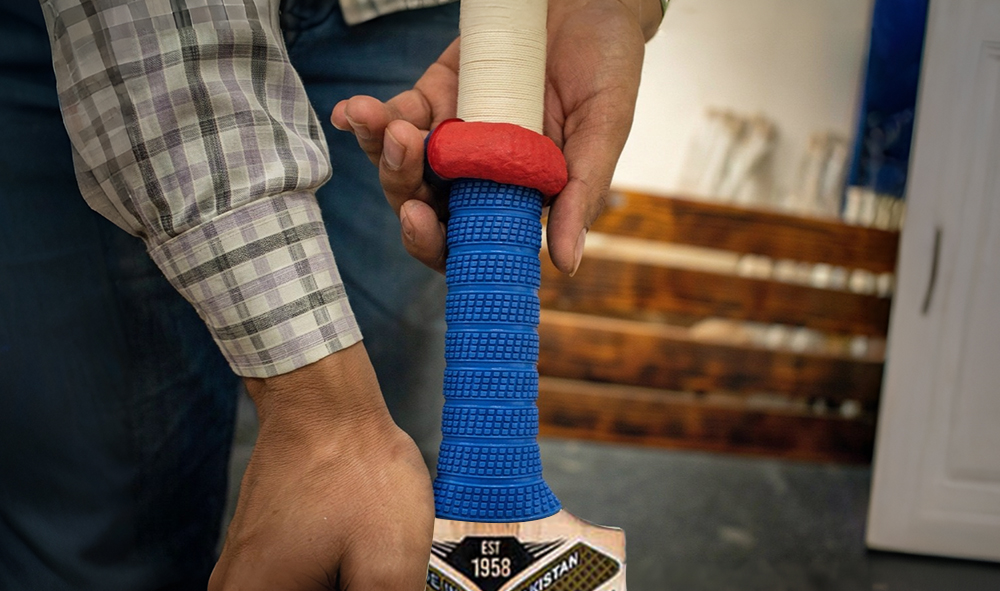
A worn cricket bat grip can quietly ruin your timing, comfort, and control. You may still have a quality bat in your hands, but if the handle feels slippery, loose, thin, or uncomfortable, your shots will not feel as clean. Many players blame the bat, gloves, or even their technique when the real problem is the grip.
The good news is simple: learning how to replace a cricket bat grip can make your bat feel fresh again in just a few minutes. In this guide, you will learn when to change your grip, what tools you need and how to fit a new grip properly.
Your bat grip is the only direct contact point between your hands and the bat handle. When it works well, you feel connected to every shot. When it wears out, the bat can twist, slip, or feel harder to control.
A fresh cricket bat grip helps with:
You do not need to wait until the grip tears completely. A grip should be replaced as soon as it stops giving proper control. If you notice any of these signs, it is time to change it.
A simple rule: if the grip makes you think about your hands during batting, replace it.
The cleanest way to replace a cricket bat grip is with a cricket bat grip cone. You can fit a grip without one, but it takes more effort and increases the chance of stretching or damaging the rubber. A grip cone makes the process quicker, smoother, and more professional.
Avoid using too much oil, soap, or chemical lubricant. It may help the grip slide on, but it can also leave residue inside the grip. That may cause unwanted movement later. If you use moisture, keep it minimal.
This is the professional cone method used by players, coaches, and cricket shops. Take your time with each step. A neat grip not only looks better but also feels better in the hands.
Start by checking the condition of the old grip. If you want to keep it as a spare, roll it upward from the bottom of the handle until it comes off. If it is already torn or stretched, carefully cut it away with scissors or a blade.
Be careful not to damage the handle binding underneath. Once removed, wipe the handle with a dry cloth. Remove any dust, loose rubber pieces, or tape residue.
Do not fit a new grip over dirt or old loose tape. It can create uneven bumps and reduce comfort.
Before adding the new grip, inspect the handle.
Look for:
If the handle binding is damaged, fix that first. A new grip will not solve a structural handle problem. For most players, the handle only needs a quick clean and a small piece of finishing tape near the top or bottom if needed.
Turn the new grip upside down. The part that will sit at the top of the bat handle should go onto the narrow end of the cone first. Push it down gently until it starts to resist. Now roll the grip back over itself. It will form a thick ring or doughnut shape around the cone.
Keep rolling it down the cone until the grip is compressed and ready to transfer onto the bat handle. This step may feel tight, especially with thicker grips such as 3D-style grips. Do not rush it.
Place the wide end of the grip cone over the top of the cricket bat handle. Hold the bat steady between your feet or against a stable surface. Keep the cone straight so the grip transfers evenly.
If the cone is angled, the grip may go on twisted. A twisted grip can feel uncomfortable and may affect your hand position.
Now roll the grip off the cone and onto the bat handle. Move slowly and apply even pressure. The grip should roll down the handle in a controlled way. Continue rolling until it reaches the lower part of the handle near the shoulders of the bat. Once the grip is fully on the handle, begin unrolling it upward so it covers the handle properly from bottom to top.
After the grip is on, check the pattern alignment. This matters more with textured grips such as 3D Grip and 3D Plus Grip, where finger cushioning and raised patterns should sit naturally under the hands.
Adjust the grip by gently twisting and smoothing it.
Make sure:
Pick the bat up and hold your normal stance.
If something feels off, adjust it now before adding finishing tape.
Use bat grip tape or finishing tape at the top edge of the handle. This helps keep the grip in place and gives the handle a cleaner finish. Some players also add tape near the bottom edge, but do not overdo it. Too much tape can make the handle look bulky and uncomfortable. The goal is simple: secure, clean, and comfortable.
A cricket bat grip is simple to replace, but small mistakes can make the bat feel uncomfortable.
Avoid these common errors:
Too much soap, water, or oil can make the grip move later.
Use the cone method instead of forcing the grip with liquid.
A twisted grip can change how your hands sit on the handle.
Always check the pattern before taping.
Old tape creates bumps.
Clean the handle before fitting the new grip.
Do not stretch the grip aggressively.
Rolling keeps the rubber shape more consistent.
A grip that feels great on one bat may feel too thick or too thin on another.
Always hold the bat after fitting and check your natural stance.
Replace your cricket bat grip when it loses control, not just when it breaks. For regular players, this may be every few months during heavy training. For casual players, once or twice a season may be enough. You may need to replace it sooner if you play in hot weather, sweat heavily, train several times a week, or use the same bat for matches and nets.
A good test is simple.
Hold the bat with your gloves on and play a few shadow shots. If the handle feels slippery, loose, or uncomfortable, the grip is no longer doing its job.
You can replace a cricket bat grip without a cone, but it is harder. Some players use a plastic bottle, rolled card, or another cone-shaped object. However, a proper cricket grip cone gives better control and reduces the chance of tearing or overstretching the grip. For the cleanest result, use a grip cone.
Yes, you can add a new grip over an old one if you want a thicker handle. This is called double gripping. It can improve cushioning and comfort for players with larger hands, but it may also change the bat’s pickup. Test it in practice before using it in a match.
A cricket bat grip should feel secure but not uncomfortable. If it is too loose, the bat may twist in your hands. If it is too thick or tight in your hands, you may lose wrist movement. The right grip lets you hold the bat firmly without squeezing too hard.
For sweaty hands, choose a grip with a strong non-slip feel and good texture. CA options such as Player Grade Grip, Fine Grip, 3D Grip, and 3D Plus Grip can all help improve control, but players who want extra texture may prefer 3D or 3D Plus styles.
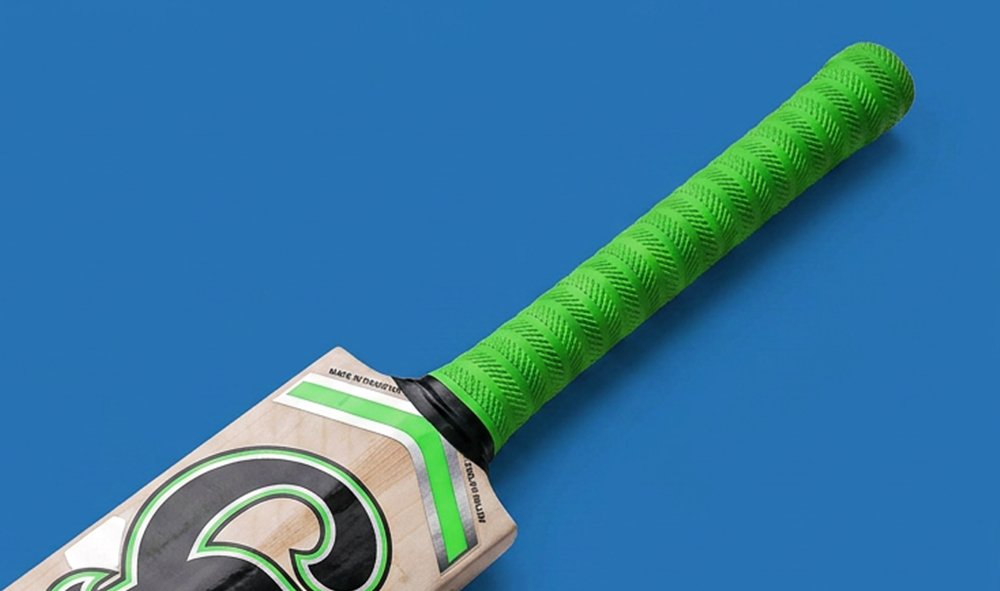
Replacing a cricket bat grip is one of the easiest ways to improve how your bat feels. You do not need a new bat every time your shots feel uncomfortable. Sometimes, the real fix is a fresh, well-fitted grip that gives your hands better control and confidence. Use a grip cone, remove the old grip properly, roll the new grip on with patience, straighten the pattern, and secure it neatly with tape.
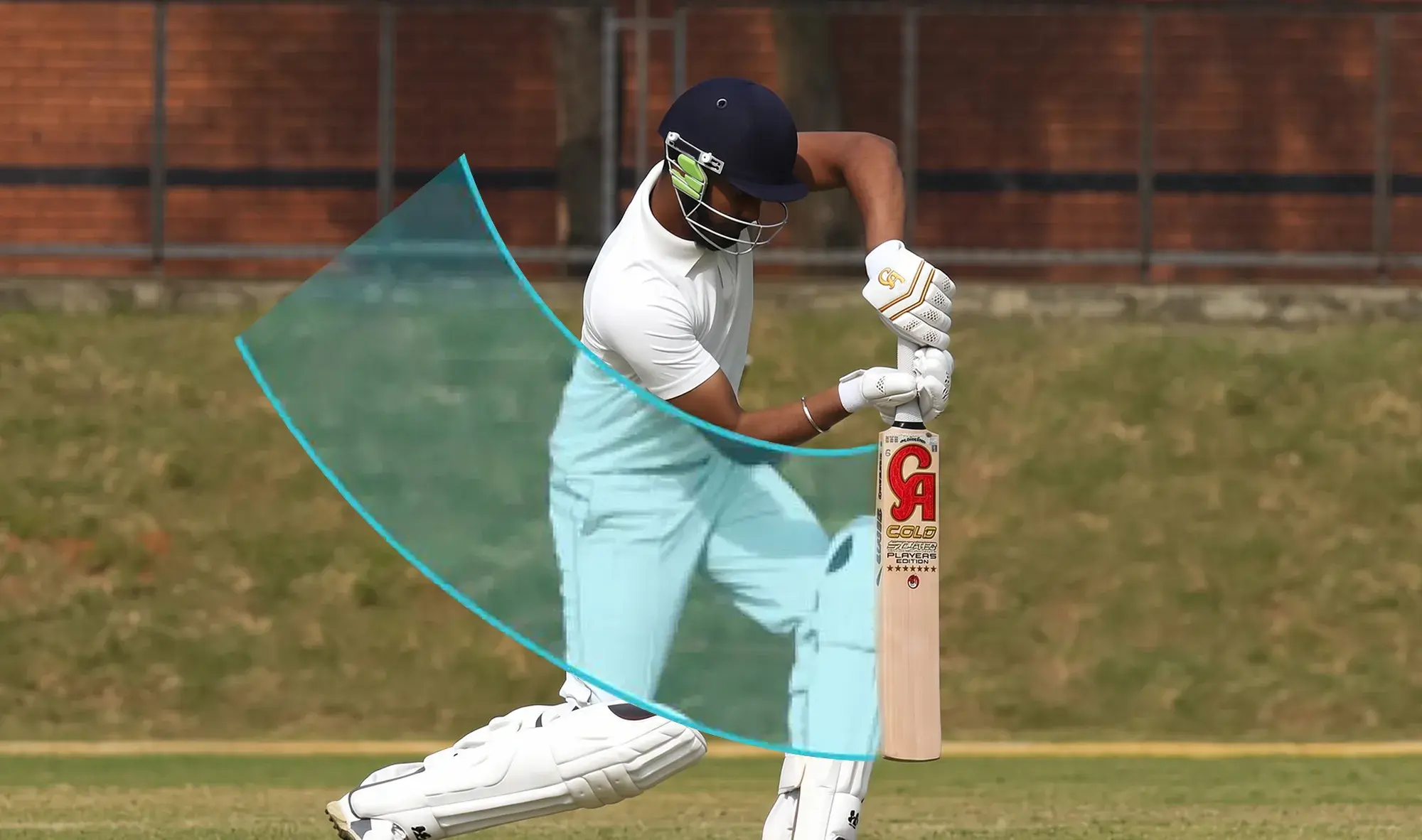
Why Cricket Bat Balance Can Matter More Than Bat Weight
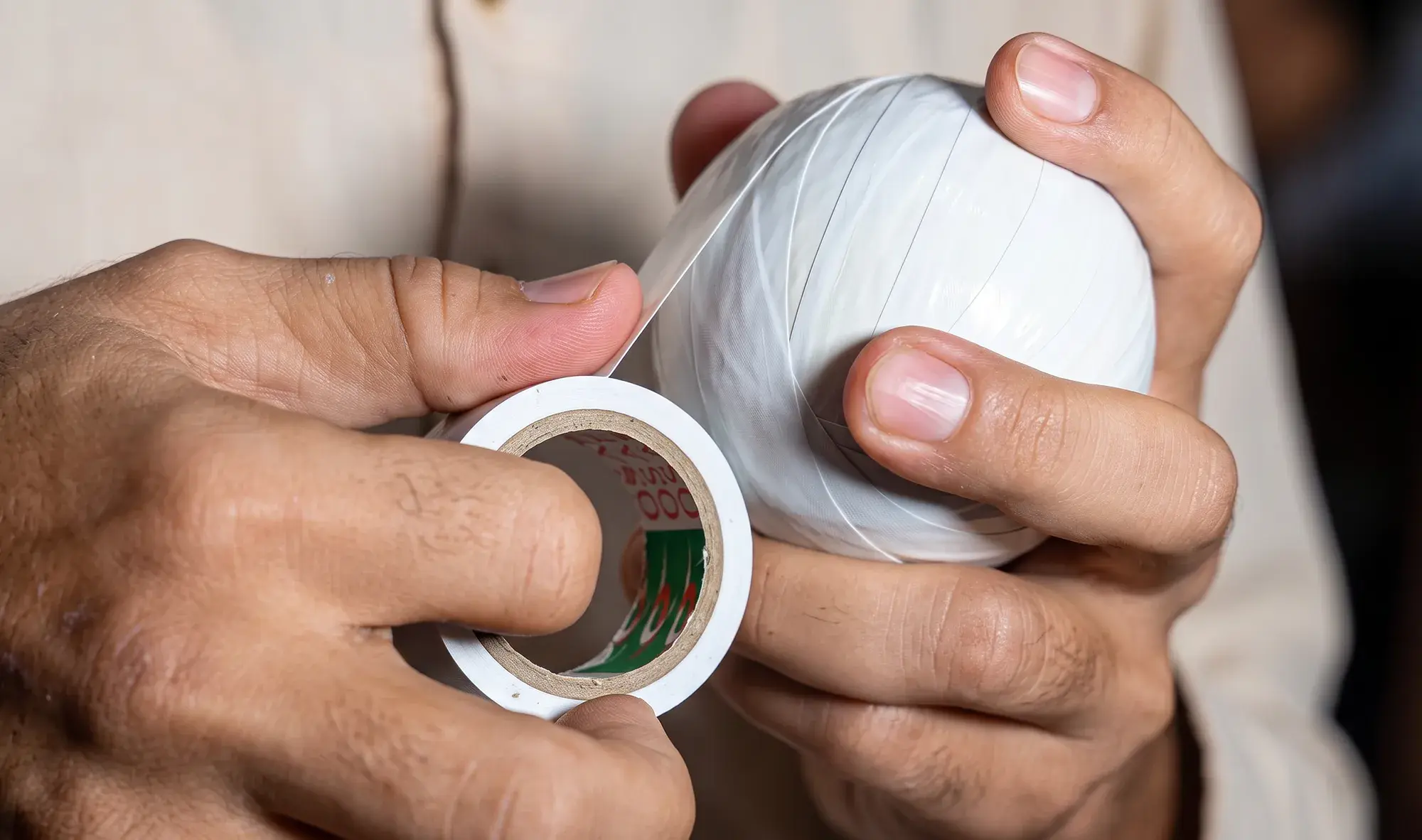
Why Tape Ball Cricket Is So Popular in Pakistan
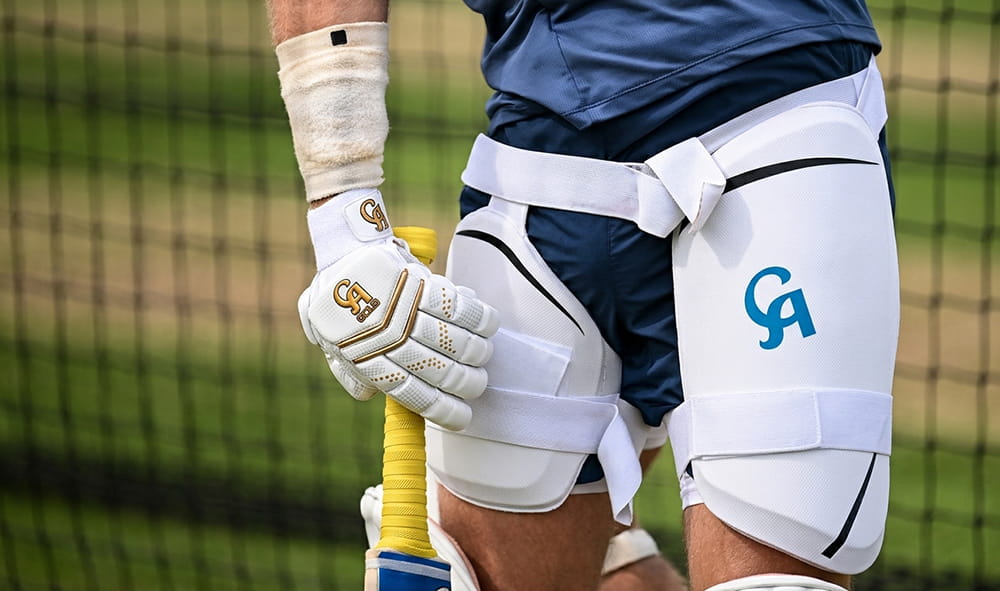
Best Thigh Guards for Cricketers in 2026
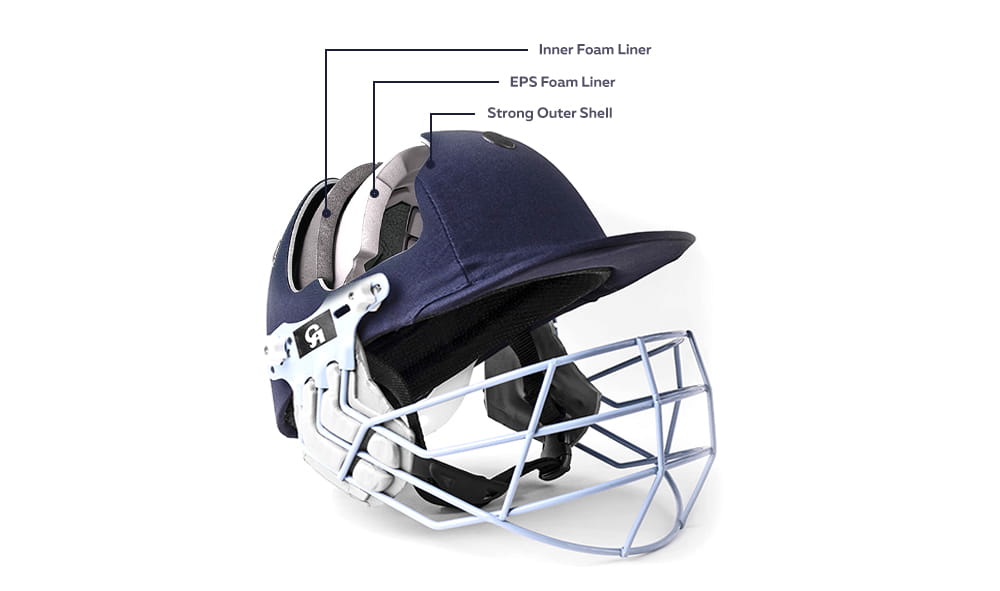
The Best Cricket Helmets with Advanced Face Guard Technology
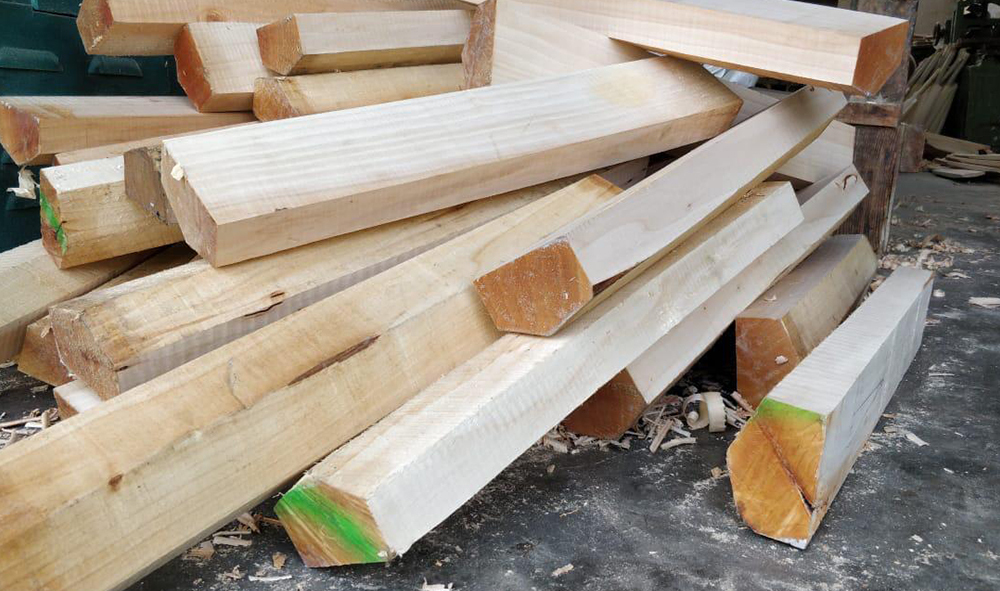
The Story Behind English Willow From Forest to Cricket Pitch
How to Replace a Cricket Bat Grip Like a Professional
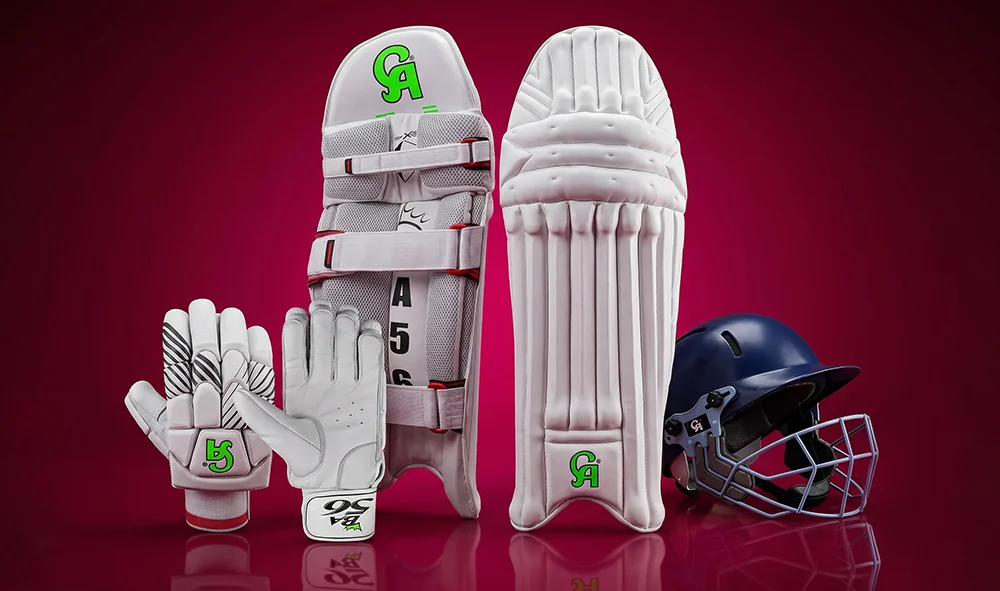
Why Quality Cricket Gear Matters in Competitive Matches

PSL 2026 Highest Run Scorer: Babar Azam Dominates with 588 Runs
 Multikart Angular
 Multikart React
 Multikart Shopify